Cervical Spondylitis
We Give You The Best ! Services THat You Can Trust


We Give You The Best ! Services THat You Can Trust

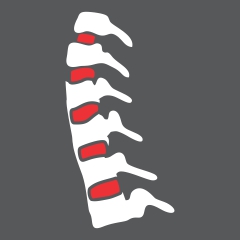
In most cases, cervical spondylosis occurs as a result of degenerative changes in the spine during aging. Intervertebral discs become dry, and then around the time, you turn 40 . Disc degeneration can cause herniation one of the signs of cervical spondylosis. Aging in the cervical region of the spine also can lead to signs of spondylosis such as bone spurs on the vertebral body or facet joints. With age ligaments that bind the spine together become thickened and Stiff. This condition also can cause symptoms of cervical spondylosis. Usually, cervical spondylosis occurs in older people but some factors can contribute to its development early in life. One main cause an injury to the cervical region of the spine. Holding your cervical spine in an uncomfortable position for prolonged periods can contribute to the development of spondylosis. Many scientists believe that cervical spondylosis is a genetic disease that children inherit from their parents.
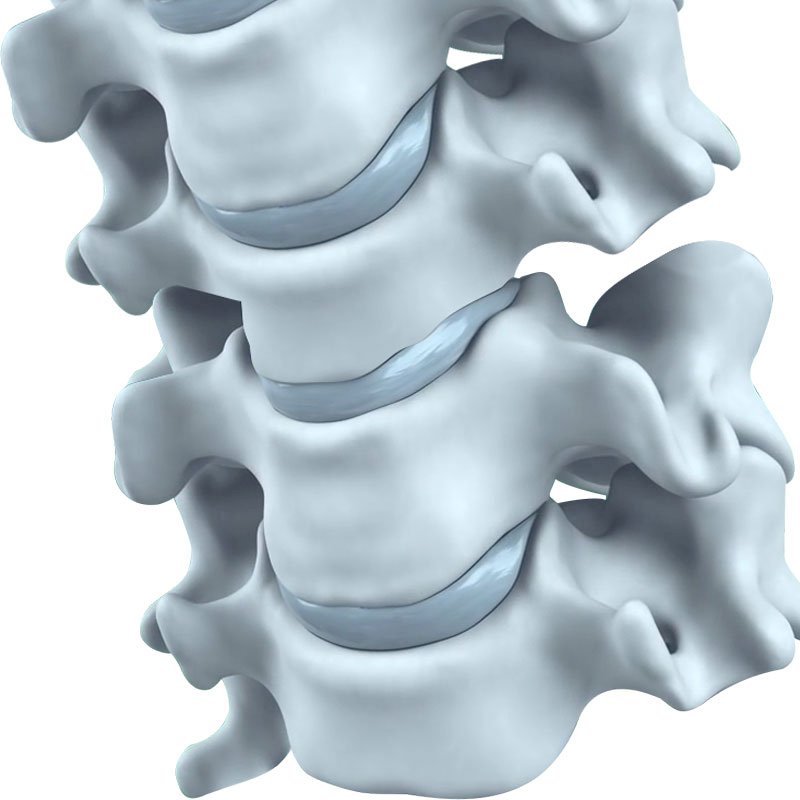
The patient complains of nonspecific neck pain with localized tenderness. On radiographic examination, the disc degeneration is obvious, as seen in the loss of height and the bulging of the annulus beyond the vertebral margins.
Treatment Time : 3 Month
Sesssion Required : 15
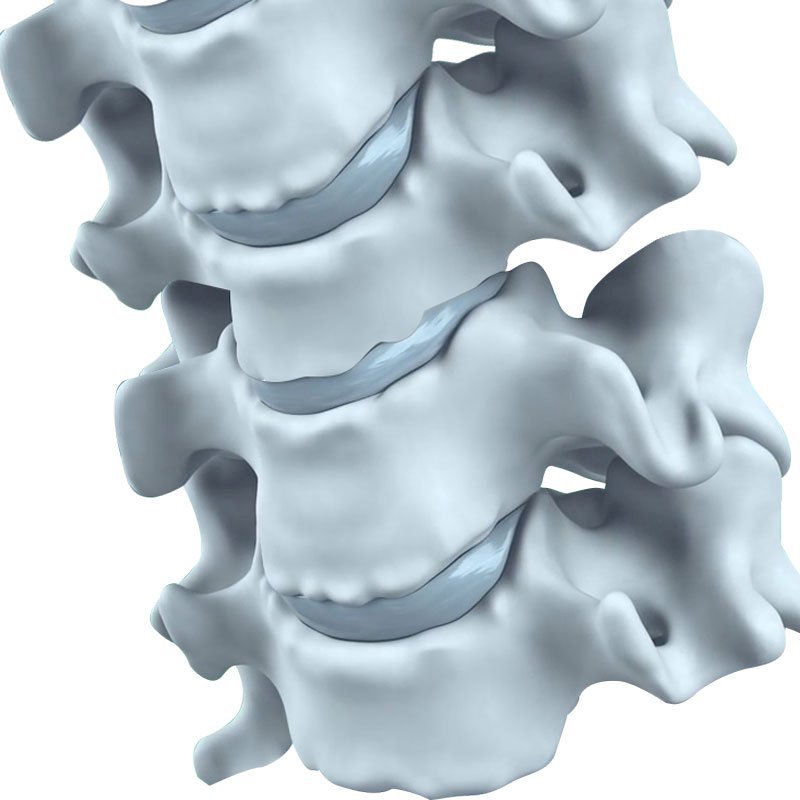
Fibrosis of the facet joints occurs, along with even greater disc degeneration and osteophyte formation. Osteophytes form along the edges of the facet joints, leading to enlarged facets. Lateral nerve root entrapment becomes more common in this stage, leading to radicular signs and lateral stenosis in the intervertebral foramen.
Treatment Time : 6 Month
Sesssion Required : 30
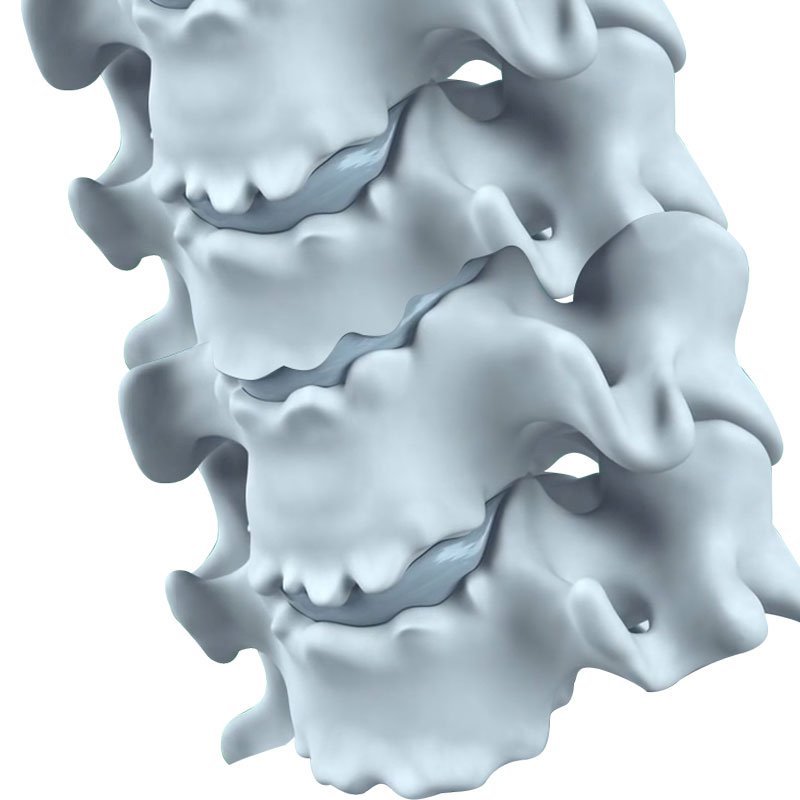
Fibrosis of the facet joints occurs, along with even greater disc degeneration and osteophyte formation. Osteophytes form along the edges of the facet joints, leading to enlarged facets. Lateral nerve root entrapment becomes more common in this stage, leading to radicular signs and lateral stenosis in the intervertebral foramen.
Treatment Time : 9 Month
Sesssion Required : 45
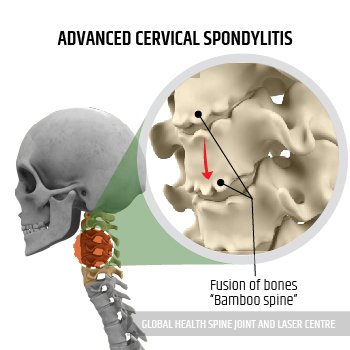
HLA-B27 PROTEIN developed Cervical Spondylitis Stage 3.
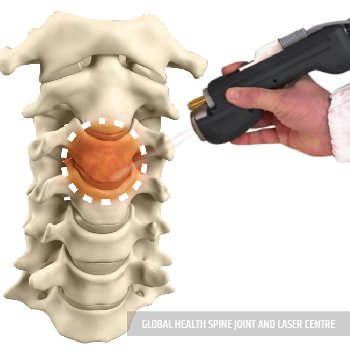
Laser beam applied to the fused bone.
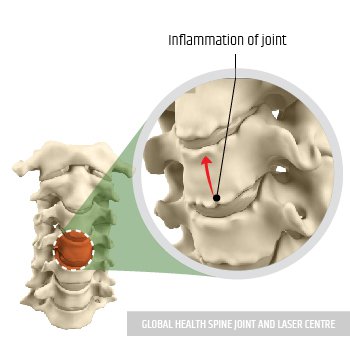
After Laser treatment, it started reduces the production of HLA-B27 Protein.
Healthy & the full range of motion of Spine
WE ARE RELIABLE & TRUSTED
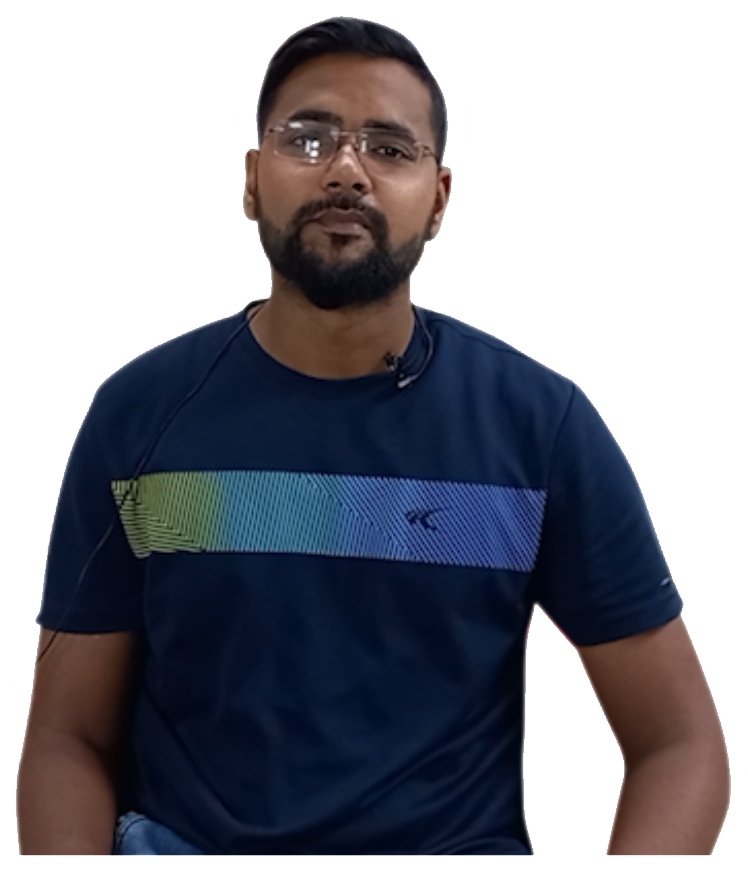
MR. SABYASACHI DAS CAME TO US WITH THE PROBLEM OF CERVICAL SPONYLOSIS.
Step 1 : Turn your head to one side as far as it remains comfortable, keeping your chin at a level height. Tense your neck muscles for 5 seconds. Return the head to a central position. Repeat on the opposite side. Repeat this exercise 5 times on each side.

Step 1 : Keep your body straight. Push your chin forward in a way that stretches the throat. Softly tense the neck muscles.
Step 2 : Hold this for 5 seconds. Return your head to its center position. Push your head back with the chin held high, and hold for 5 seconds. Carry out 5 repetitions.

Step 1 : Tilt your head forward so that the chin touches the chest. Softly tense the neck muscles.
Step 2 : Hold this for 5 seconds. Return the head to a neutral position. Carry out 5 repetitions.
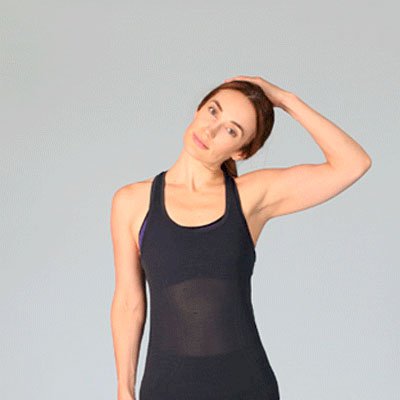
Step 1 : Lean your head down towards either shoulder, leading with the ear. Softly tense the neck muscles. Hold this for 5 seconds.
Step 2 : Return your head to the center and repeat on the other shoulder. Carry out 5 repetitions.

Contains

Contains

Contains

Contains

Contains

Contains

Contains