Knee Pain (knee Osteoarthritis)
We Give You The Best ! Services THat You Can Trust


We Give You The Best ! Services THat You Can Trust
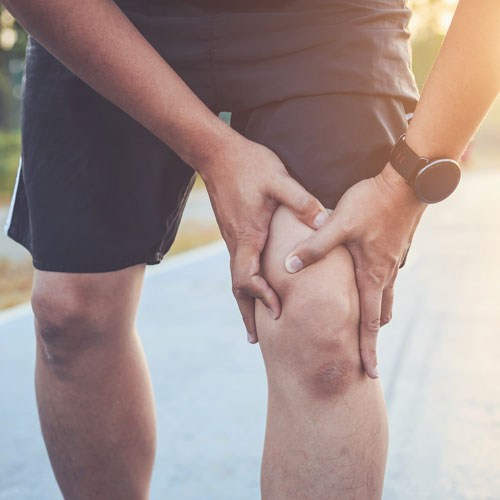
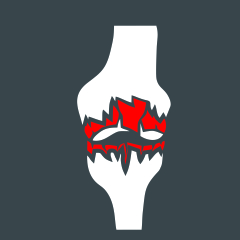
Over time osteoarthritis affects the bone cartilage and synovial fluid of the knee. With moderate knee OA, changes in the joint are much more evident the cartilage surface between the bones has begun to a road narrowing the gap between the femur and the tibia. hyaluronic acid which helps synovial fluid lubricate the joint is now becoming less viscous elastic and concentrated. Osteoarthritis often affects the sub-chondral bone Located just underneath the cartilage. Some contraband provides hydration and oxygen to the cartilage. Osteo fights may increase in number and size making the bone rougher. All these factors combined to make joint pain more severe and long-lasting both with movement and at rest. OA conditions worsened dramatically the joint spaces become far narrower causing more rapid and severe destruction of the cartilage in the knee becomes inflamed and sore. Synovial fluid is decreased increasing friction and pain during movement. Osteo fights continue to develop bone moves against bone not cartilage mobility activities of daily living and quality of life are severely impacted.”

Many people feel joint pain, stiffness, or swelling. During Stage 1, there is inflammation inside the joint. The tissue in the joint swells up. There is no damage to the bones, but the joint lining, called the synovium, is inflamed.
Treatment Time : 2 Month
Sesssion Required : 10
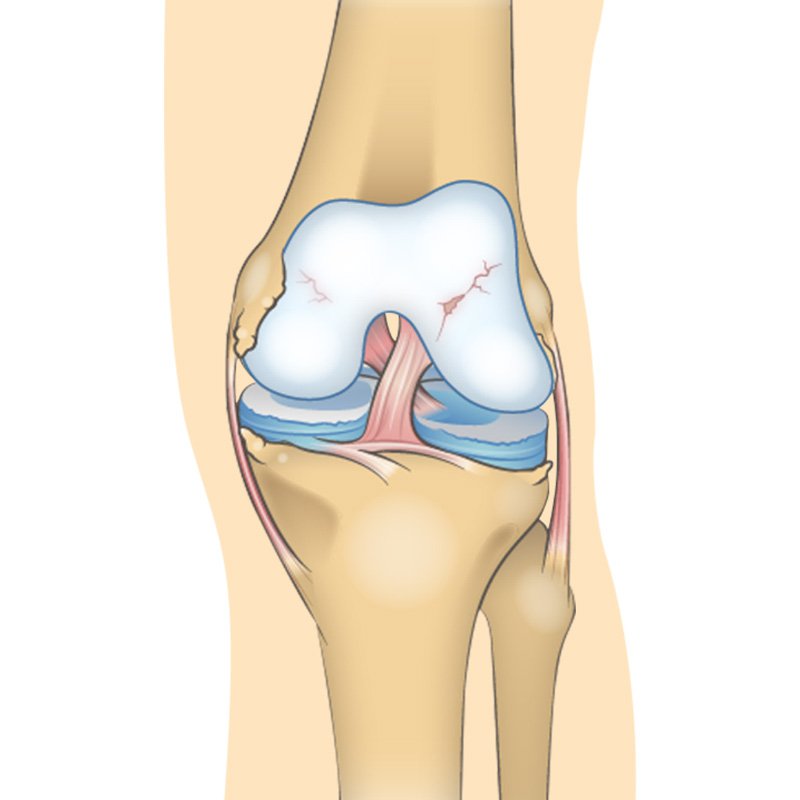
This stage people will experience symptoms for the first time. They will have pain after a long day of walking and will sense a greater stiffness in the joint. It is a mild stage of the condition, The cartilage will likely remain at a healthy size.
Treatment Time : 5 Month
Sesssion Required : 20
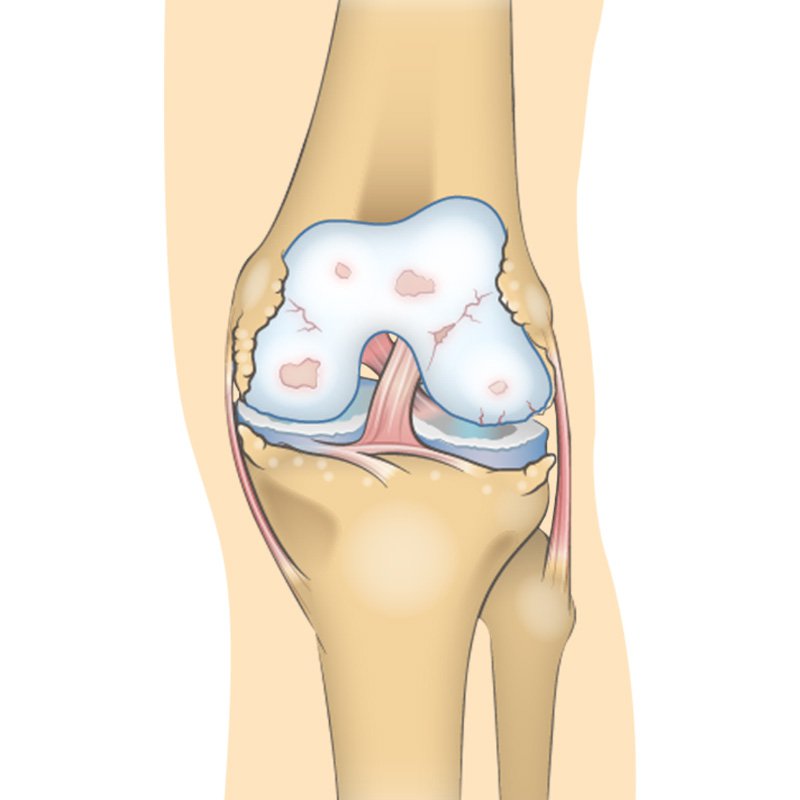
Frequent pain during movement, joint stiffness will also be more present, especially after sitting for long periods and in the morning. The cartilage between the bones shows obvious damage, and the space between the bones is getting smaller.
Treatment Time : 7 Month
Sesssion Required : 30
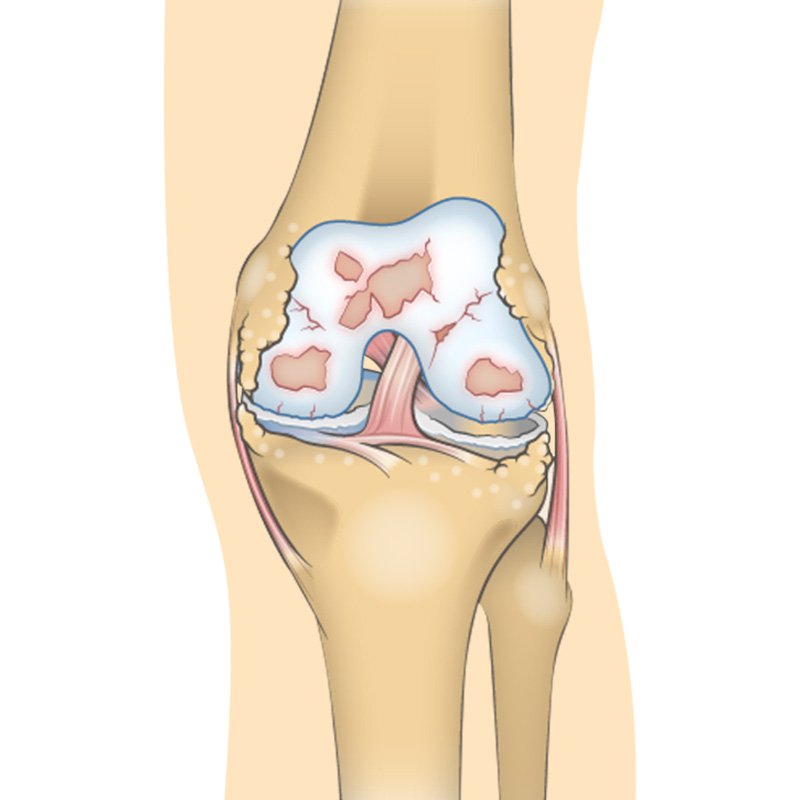
The joint space between the bones will be dramatically reduced, the cartilage will almost be completely gone and the synovial fluid will be decreased. This stage is normally associated with high levels pain and discomfort during walking or moving the joint.
Treatment Time: 9
Sesssion Required : 35
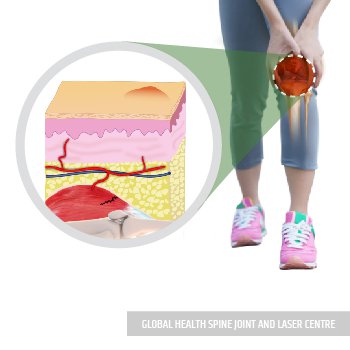
Damage or disease that affects any of these(the lower part of the thighbone, the upper part of the shinbone, and the kneecap.) structures may lead to pain.
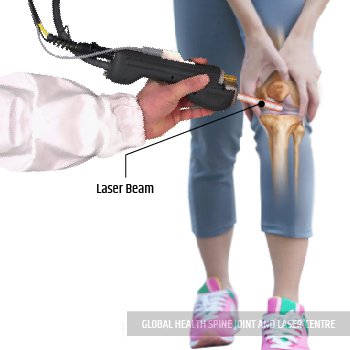
Laser Beam is applied to the knee for treating all damage.
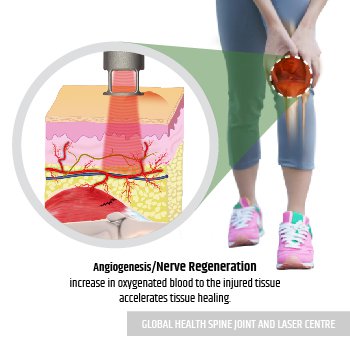
Laser Beam increased oxygenated blood to the injured tissue accelerates tissue healing.
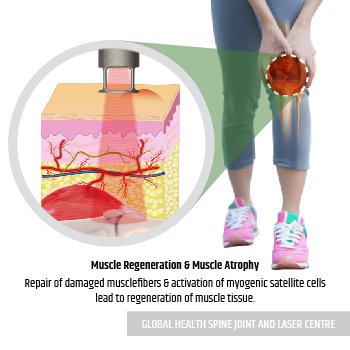
Repair of damaged muscle fibers & activation of myogenic satellite cells leads to regeneration of muscle tissue.
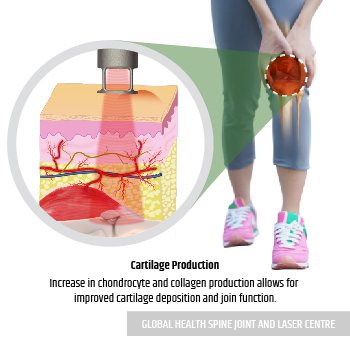
After Laser Treatment, cartilage deposition and joint functions are improved.
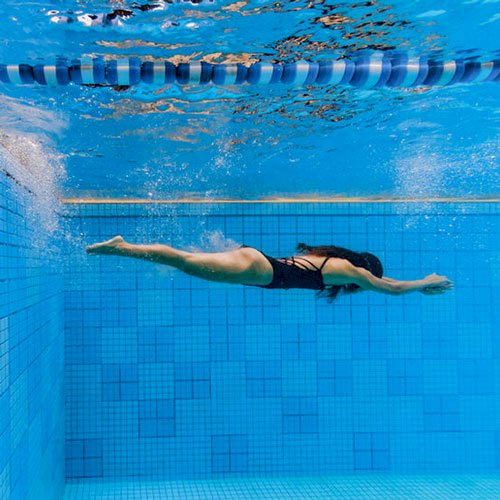
Step 1: Water supports your muscles, bones, and joints as you swim, especially helpful if you’re overweight or have diabetic nerve pain in your feet. A longtime favorite of exercise experts over the years, swimming avoids the pounding on your feet, knees, and hips from a high-impact sport like jogging. the

Step 1: It improves your mood. It promotes positive mental health. It helps you sleep better. Research has shown that it does not help create strong bones. In fact, depending on the amount of cycling you do, it may even decrease your bone density. So, if your only form of exercise is cycling, you may end up with weaker bones than those who are inactive.
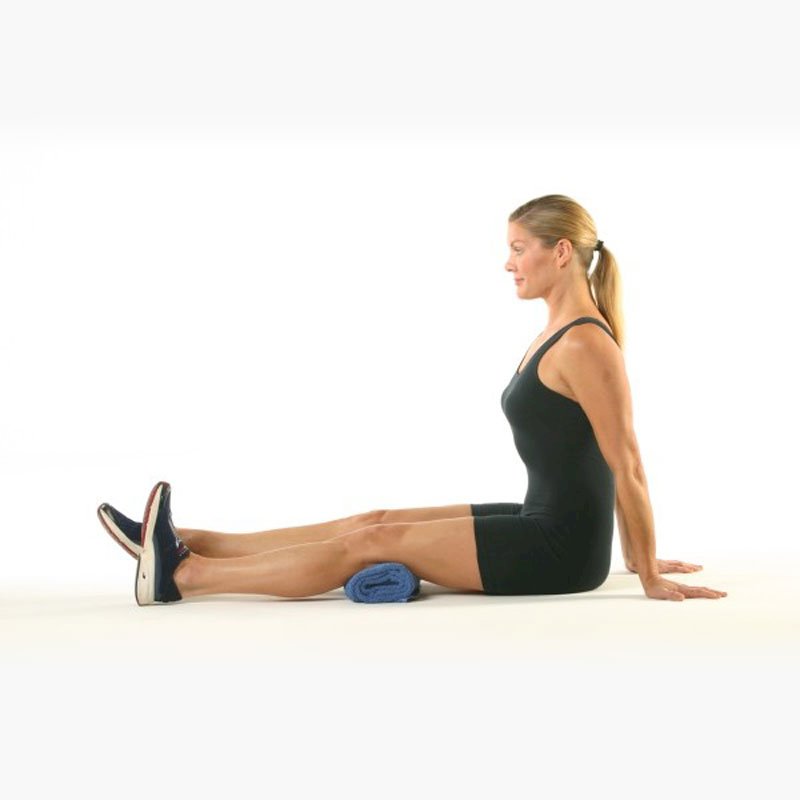
Step 1: This exercise is designed to stretch and strengthen your knee. Before beginning, read through all the instructions. While exercising, breathe normally and use smooth movements. If you feel any pain, stop the exercise. If pain continues, call your healthcare provider.
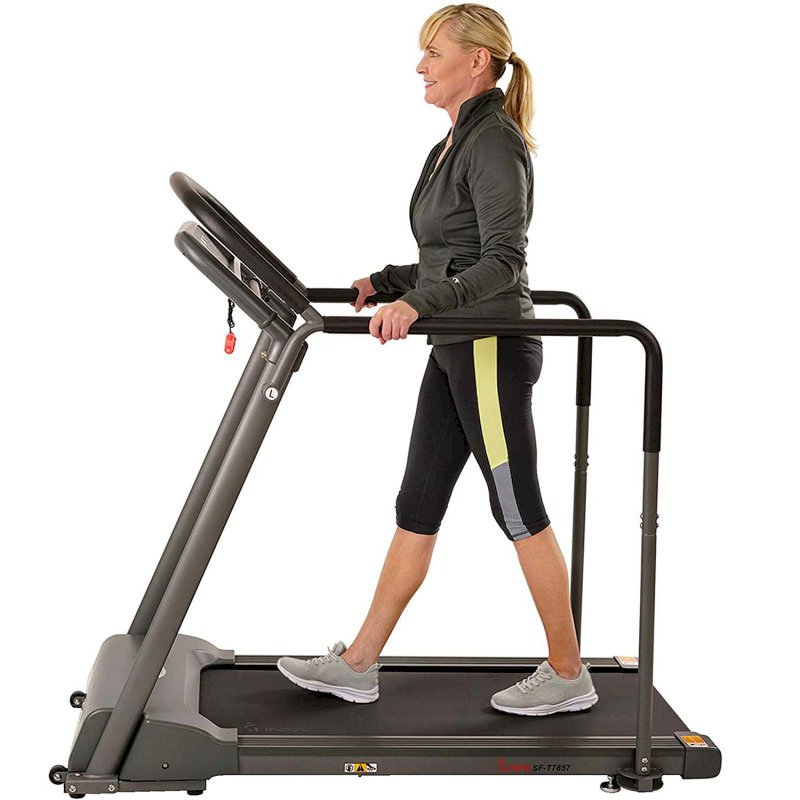
Step 1: Exercise can ease pain and inflammation. When you boost your heart rate, it also makes feel-good chemicals in your body. Any exercise is great. But you get a bonus from doing weight-bearing exercise — when your joints have to support your weight, like when you walk instead of swim. It helps “feed” the cartilage in your joints and spine. Get your heart pumping most days of the week. Start with 5 to 10 minutes a day. Try to work up to 30 minutes or more.
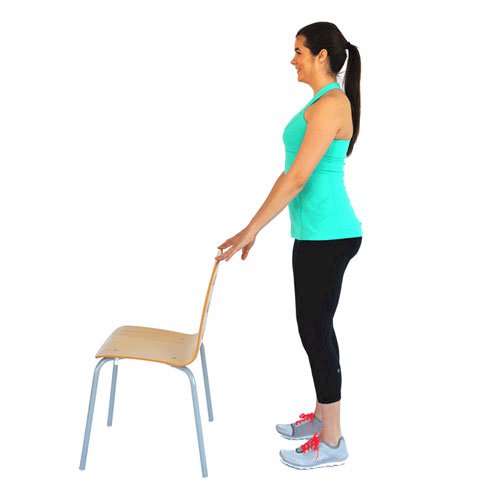
Step 1:Stand straight behind the chair, holding the back with your feet hip-width apart and your weight evenly distributed.
Step 2: Tighten your abdominal muscles. Lift up on your toes until you’re standing on the balls of your feet.
Step 3 : Slowly lower your heels to the floor. Repeat 8 to 10 times.
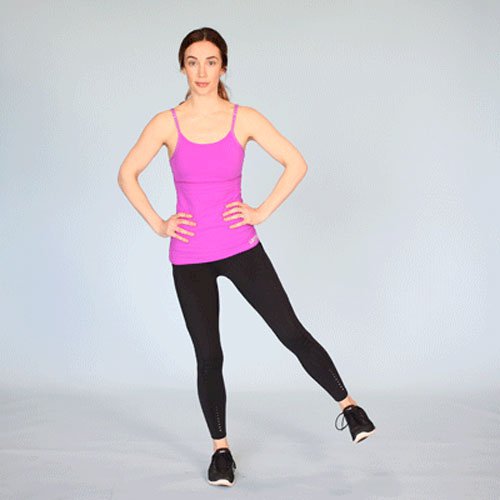
Step 1:Stand tall while holding onto a firm support in your left hand.
Step 2: Swing your right leg towards to the left in front of the left leg, leading with your heel and instep. Hold and lower to the ground with control. Be sure to keep your torso upright and not drop the right hip down.
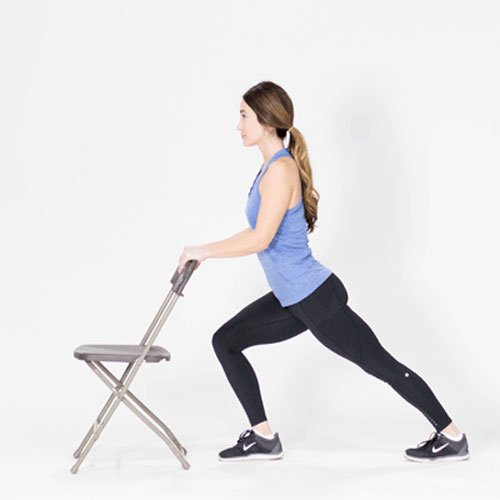
Step 1: Hold onto a chair for balance. Bend your right leg. Step back with your left leg, and slowly straighten it behind you.
Step 2: Press your left heel toward the floor. You should feel the stretch in the calf of your back leg. Hold for 20 seconds. Repeat twice, then switch legs.
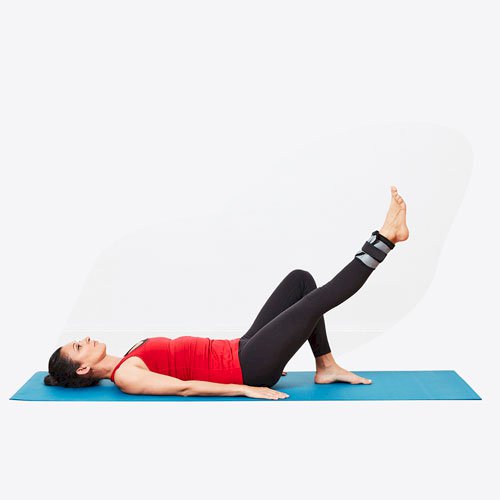
Step 1: Lie on your back with your hips square and your legs laid out comfortably on the floor.
Step 2: Bend the knee of your non-injured leg at a 90-degree angle, planting the foot flatly on the floor. Hold for three seconds. Relax and repeat 10 times more.
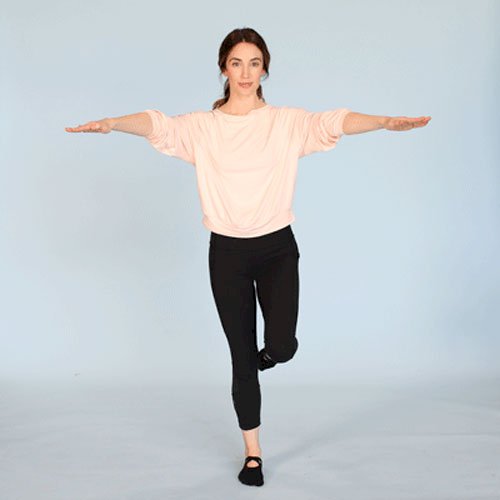
Step 1:Stand behind your kitchen counter without holding on.
Step 2: Slowly lift one foot off the floor. The goal is to stay balanced for 20 seconds without grabbing the counter.
Step 3: Then switch sides.
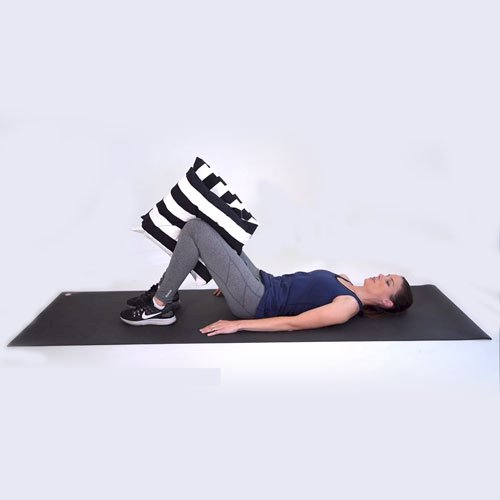
Step 1: Lie on your back, both knees bent. Place a pillow between the knees.
Step 2:Squeeze your knees together, squishing the pillow between them. Hold for 5 seconds. Do two sets of 10 repetitions.
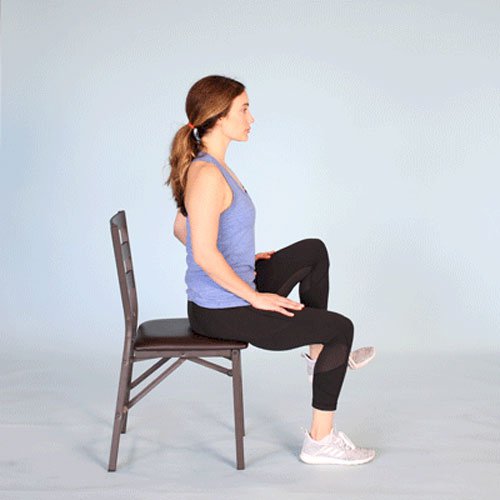
Step 1: Sit up straight in a chair. Kick your left foot back slightly, but keep your toes on the floor.
Step 2: Lift your right foot off the floor, knee bent. Hold the right leg in the air 3 seconds.
Step 3: Slowly lower your foot to the ground. Do two sets of 10 repetitions.
Step 4: Switch right leg to left leg after right set. Do two sets of 10 repetitions.

Contains

Contains

Contains

Contains

Contains