Migraine
We Give You The Best ! Services THat You Can Trust


We Give You The Best ! Services THat You Can Trust
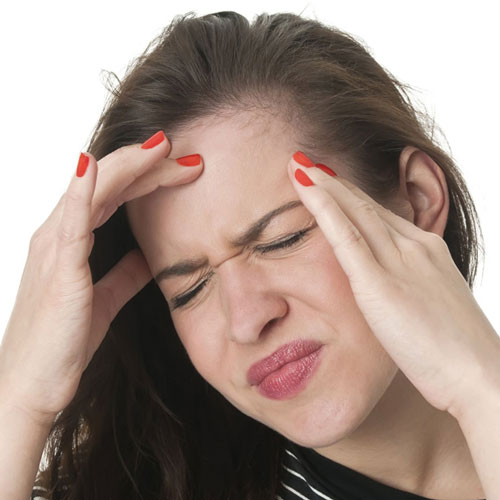
It can result from injury, activity and some medical conditions. Back pain can affect people of any age, for different reasons. As people get older, the chance of developingTrusted Source lower back pain increases, due to factors such as previous occupation and degenerative disk disease. Lower back pain may be linked to the bony lumbar spine, discs between the vertebrae, ligaments around the spine and discs, spinal cord and nerves, lower back muscles, abdominal and pelvic internal organs, and the skin around the lumbar area.
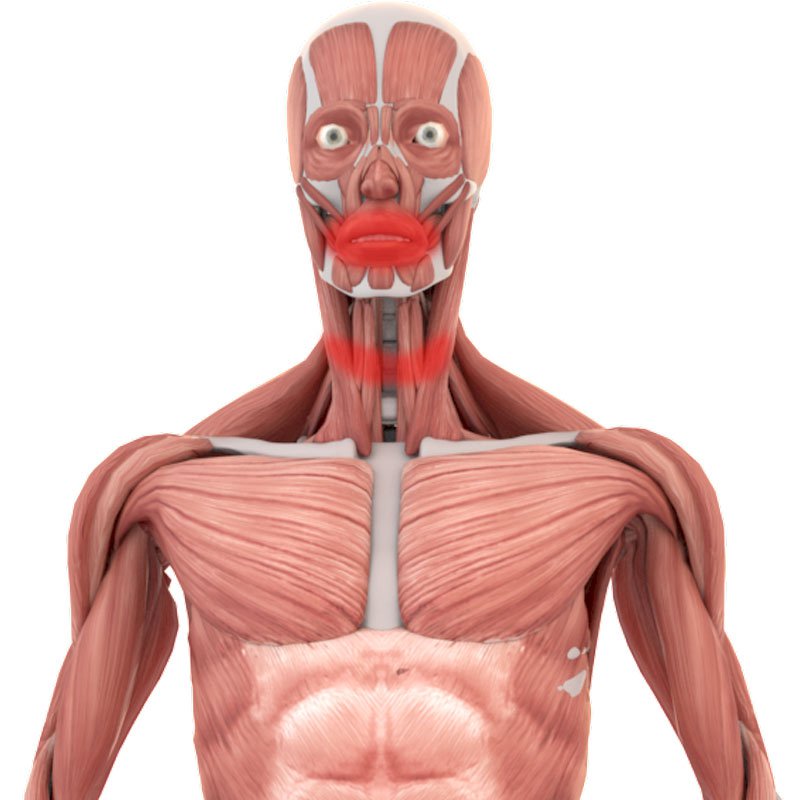
The prodrome is characterized by premonitory symptoms of an impending migraine and it can begin hours or days before a migraine episode reaches its peak intensity. Most people with migraine experience prodromal symptoms.
Treatment Time : 2 Month
Sesssion Required : 10

Approximately one-third of migraineurs experience aura, which usually follows the prodrome and lasts for less than an hour. This stage is characterized by neurological symptoms, and it can be quite terrifying, especially when you experience it for the first time.
Treatment Time : 4 Month
Sesssion Required : 20
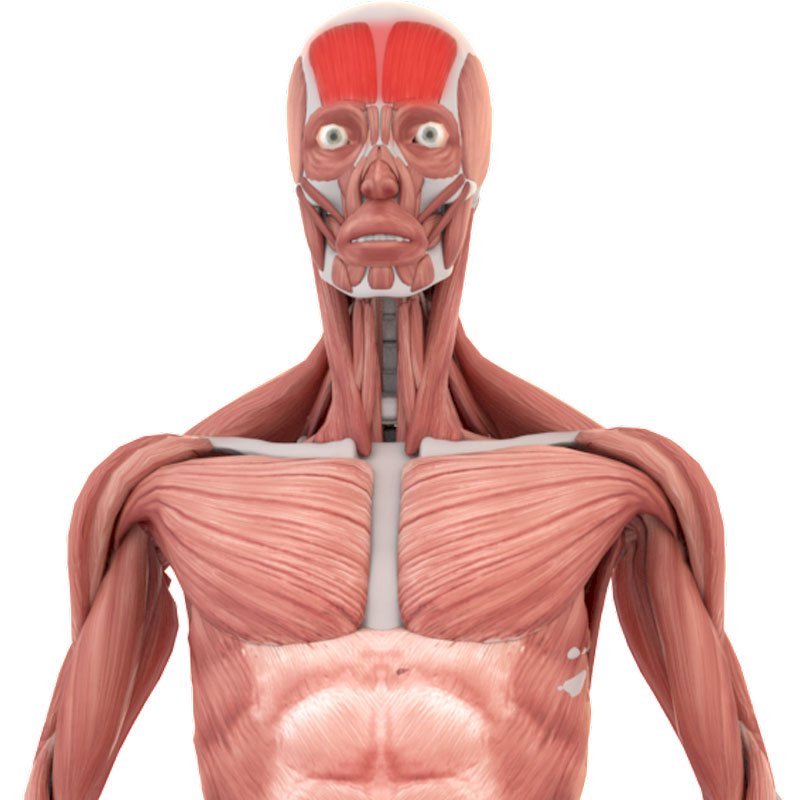
The head pain of a migraine is often described as throbbing, pounding, or pulsating. You may also experience other symptoms along with the head pain. This phase usually lasts from four to 72 hours.
Treatment Time : 6 Month
Sesssion Required : 30
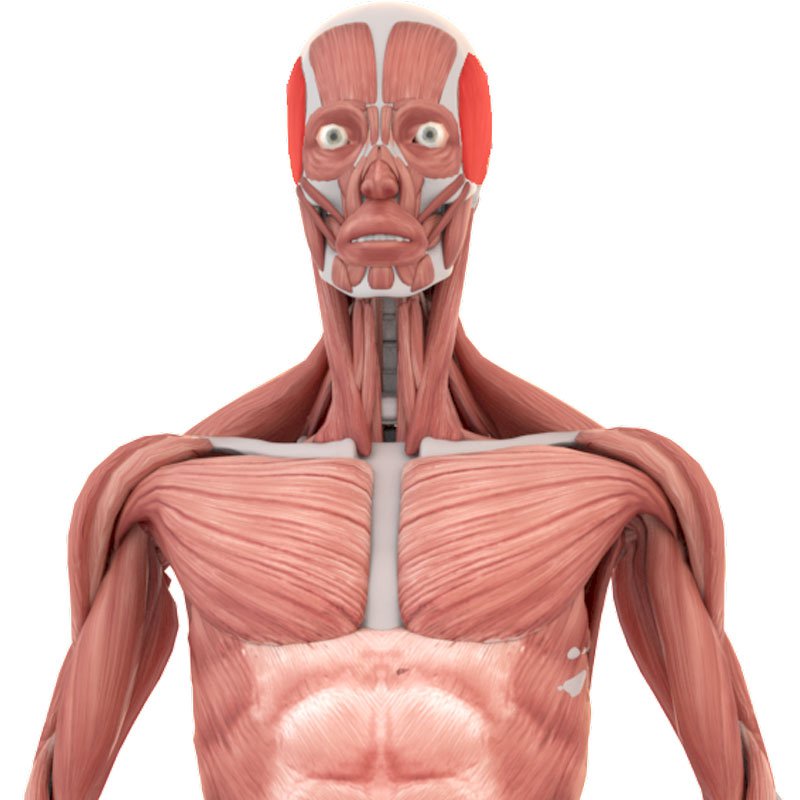
After a migraine attack, you might feel drained, confused and washed out for up to a day. Some people reported feeling elated. Sudden head movement might bring on the pain again briefly.
Treatment Time : 9 Month
Sesssion Required : 45

Migraine headaches were caused by changes in blood vessels in the brain. Red Areas are the Pain Zones of migraine.
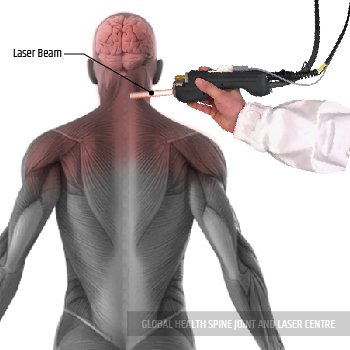
Laser Beam Applied to the Cervical nerves.
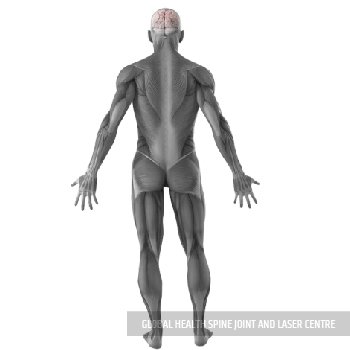
Laser Treatment effects on your body that help keep your blood vessels calm and control your Migrain Pain .

Step 1:Water supports your muscles, bones, and joints as you swim, especially helpful if you’re overweight or have diabetic nerve pain in your feet. A longtime favorite of exercise experts over the years, swimming avoids the pounding on your feet, knees, and hips from a high-impact sport like jogging.

Step 1:It improves your mood. It promotes positive mental health. It helps you sleep better. Research has shown that it does not help create strong bones. In fact, depending on the amount of cycling you do, it may even decrease your bone density. So, if your only form of exercise is cycling, you may end up with weaker bones than those who are inactive.

Step 1:Jogging regularly at a moderate or vigorous level can improve your mental health. Running also improves your memory and ability to learn, and it helps to build strong bones, as it is a weight bearing exercise. strengthen muscles. improve cardiovascular fitness. burn plenty of kilojoules. help maintain a healthy weight.

Step 1 : Dance improve condition of your heart and lungs. Increased muscular strength, endurance and motor fitness. Increased aerobic fitness. Improved muscle tone and strength.
Step 2 : Weight management. Stronger bones and reduced risk of osteoporosis. Better coordination, agility and flexibility.

Contains

Contains

Contains

Contains

Contains

Contains

Contains

Contains

Contains

Contains