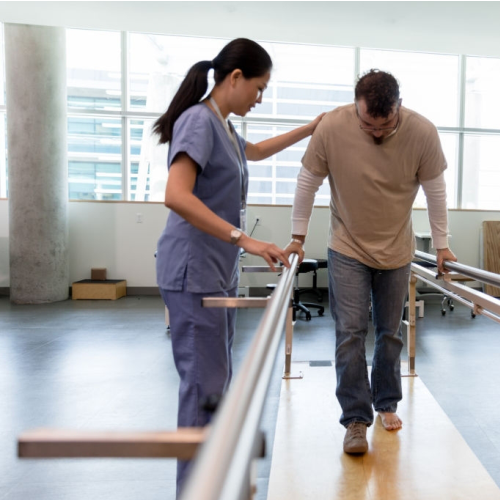
Post Oprication Bone Rehab Therapy

We Give You The Best ! Services THat You Can Trust

Pots Oprication Bone Rehab Therapy is a specialized program designed to support bone recovery through a series of personalized exercises and therapies. It focuses on enhancing bone strength, flexibility, and overall functionality after injury, surgery, or conditions like osteoporosis. The therapy utilizes advanced techniques such as weight-bearing exercises, balance training, and resistance exercises to stimulate bone growth and improve joint mobility. Additionally, it incorporates personalized rehabilitation plans to ensure progressive recovery while minimizing the risk of further damage. The goal of the program is to restore mobility, reduce pain, and promote long-term bone health and recovery.
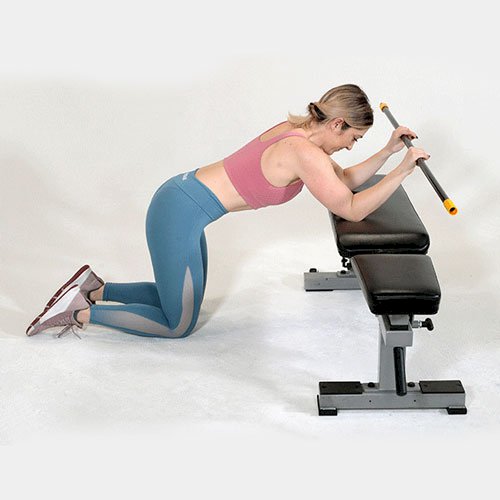
Post Oprication Bone Rehab Therapy Symptoms
  • Pain — After surgery, pain is common, and it may last for a few days or weeks. The intensity of pain varies depending on the type of surgery.
  • Swelling — Swelling around the surgery site is a typical response to injury or surgery, which may cause discomfort.
  • Stiffness — Following surgery, stiffness is common due to immobility, muscle weakness, or the healing process.
  • Bruising — Bruising can occur around the surgery site and is often due to blood vessels being disrupted during the procedure.
  • Muscle weakness — After bone surgery, muscles may weaken due to lack of use or inactivity. Rehabilitation exercises help strengthen these muscles.
  • Infection signs — Although rare, infection can occur after surgery. Symptoms of infection include increased pain, redness, warmth, or pus at the surgery site, fever, and chills.
  • Bone healing issues — Sometimes, bones might not heal properly (non-union or delayed union). This can result in ongoing pain or difficulty moving. Your healthcare provider may adjust your rehabilitation plan if this happens.
Post Oprication Bone Rehab Therapy Causes
  • Fracture Repair Surgery
  • Joint Replacement Surgery
  • Spinal Surgery
  • Ligament or Tendon Repair
  • Osteotomy
  • Bone Tumor or Cancer Treatment
  • Infections
  • Chronic Bone Disorders
  • Congenital Bone Abnormalities or Deformities
Post Oprication Bone Rehab Therapy Test in Diagnostic

Physical Test

  • Range of Motion (ROM) Testing
  • Strength Testing
  • Pain Assessment
  • Functional Movement Tests

Medical Test

  • X-rays
  • CT Scan
  • MRI
  • Ultrasound
Exercises For Recovery : Post Oprication Bone Rehab Therapy
  • Exercises 1: Armpit Stretch
  • Exercises 2: Stretch Your Calves
    • Exercises 3: Towel Leg Stretch
    • Exercises 4: Towel Stretch

    Armpit Stretch

    Step 1 : Using your good arm, lift the affected arm onto a table about breast-high.

    Step 2 : Gently bend your knees, opening up the armpit. Deepen your knee bend slightly to gently stretch the armpit.

    Step 3 : Then straighten the knees. With each knee bend, stretch a little further, but do not force it.

    Stretch Your Calves

    Step 1 : Stand an arm’s length from a wall. Place your right foot behind your left.

    Step 2 : Slowly and gently bend your left leg forward. Keep your right knee straight and your right heel on the ground. Hold the stretch for 15 to 30 seconds and release. Repeat three times. Reverse the position of your legs and repeat.

    Towel Leg Stretch

    Step 1 : Fold a towel lengthwise to make an exercise strap. Sit down and place the folded towel under the arches of both feet. Grab the ends of the towel with both hands.

    Step 2 : Gently pull the tops of your feet toward you. Hold for 15 to 30 seconds and repeat three times.

    Towel Stretch

    Step 1 : The towel shoulder internal rotation stretch is a great exercise to improve the way your shoulder or rotator cuff moves.

    Step 2 : It can be an effective stretch for a frozen shoulder and as part of your post-operative rotator cuff surgery protocol.

    Diet For Recovery : Post Oprication Bone Rehab Therapy

    Fish

    Contains

    • Calcium
    • Vitamin D
    • Potassium
    • Magnesium
    • Iron
    • Zinc
    • Magnesium
    • Omega-3
    • Iron
    • Iodine

    Chicken

    Contains

    • Carbohydrates
    • Fat
    • Amino Acid
    • Protein

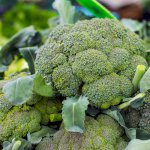
    Broccoli

    Contains

    • Carbohydrates
    • Protein
    • Fiber
    • Sugar
    • Water

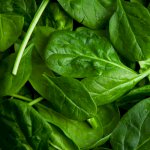
    Spinach

    Contains

    • Carbohydrates
    • Fat
    • Calcium
    • Iron
    • Vitamin C
    • Fiber
    • Folate
    • Proteins

    Walnuts

    Contains

    • Carbohydrates
    • Protein
    • Fiber
    • Sugar
    • Monounsaturated Fat
    • Saturated Fat

    Grapes

    Contains

    • Carbohydrates
    • Fat
    • Protein
    • Potassium
    • Thiamine
    • Vitamin C
    • Fiber
    • Copper
    • Vitamin K1

    Nuts

    Contains

    • Carbohydrates
    • Protein
    • Potassium
    • Magnesium
    • Iron
    • Vitamin C
    • Fiber
    • Sugar
    • Saturated Fat
    • Sodium

    Beans

    Contains

    • Calcium
    • Phosphorus
    • Vitamin A
    • Potassium
    • Magnesium
    • Iron
    • Thiamine
    • Vitamin C
    • Niacin
    • Vitamin K1
    Recommendation and Precautions for Post Oprication Bone Rehab Therapy
    • Follow the Surgeon’s and Therapist’s Instructions — Every patient’s recovery needs are different depending on the surgery and the individual’s condition. It’s important to follow the specific guidelines provided by your surgeon and physical therapist to ensure proper healing.
    • Gradual Increase in Activity — Reintroducing activity too quickly can risk injury or delay healing. It’s crucial to gradually increase physical activity to avoid overloading the affected bone or joint.
    • Physical Therapy Participation — Physical therapy helps improve strength, mobility, and function, and is a key component of post-operative bone rehabilitation.
    • Avoid High-Impact Activities — High-impact activities (like running, jumping, or heavy lifting) can stress the recovering bone and may interfere with the healing process.
    • Do Not Push Through Pain — Overexertion can cause further injury and set back recovery. It’s important to distinguish between discomfort and pain.
    • Get Adequate Rest — Rest is crucial for the body to heal, rebuild tissues, and reduce inflammation.