


Diabetic Neuropathy
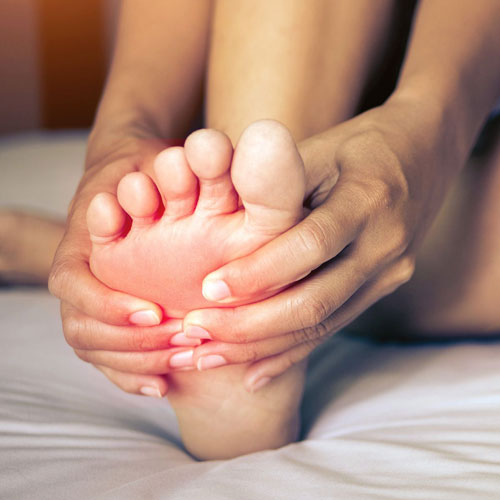
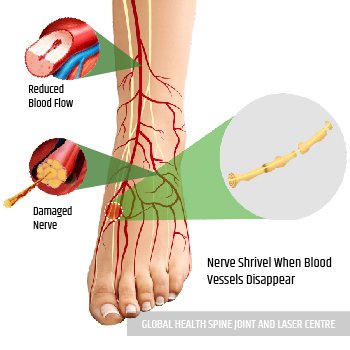
A common complication caused by prolonged high blood glucose levels is nerve damage known as diabetic nephropathy. Nerves are found throughout your body they are responsible for everything you feel from warmth in cold to pain. They also play a vital role in controlling your heart rate digestive system bladder control and sexual function. Small blood vessels provide nerves with nutrients and oxygen required to survive and function. Your nerves are extremely sensitive to any change in their oxygen and nutrient supply. Damage to the small blood vessels occurs when blood containing high levels of glucose travels through them on its way to feed your nerves. When the small blood vessels are damaged a sufficient supply of nutrients and oxygen no longer reaches the nerve. Causing the nerve to become damaged and eventually die. It involves damage to small nerve fibers resulting in loss of pain and thermal sensation. It can also damage large nerve fibers resulting in loss of touch and vibration perception and it can cause damage to sensory fibers.

Stage 1 :
In this stage, the patient is experiencing symptoms of neuropathy, but they are still very mild. and you do your daily routine work.
Treatment Time : 2 Month
Sesssion Required : 10

Stage 2 :
Many patients will experience the most pain here, along with the burning and tingling and it can become very hard to sleep.
Treatment Time : 5 Month
Sesssion Required : 20
Stage 3 :
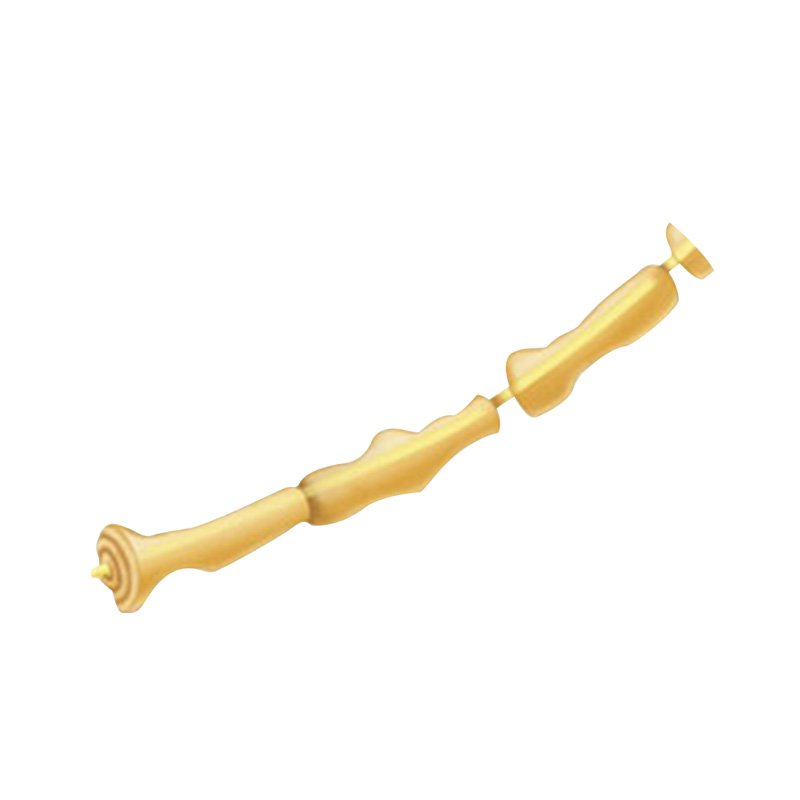
At this stage the patient’s feet are numb and very weak. They aren’t in pain, but often have trouble standing or walking and don’t have the strength that they used to have. If the patient is diabetic, the risk of amputation goes up here, because the nerves are often dead.
Treatment Time : 9 Month
Sesssion Required : 30
- Small injuries such as a blister can be undetected due to loss of feeling. Left untreated, these injuries can become infected and in severe cases require amputation.
- The area of the body most often affected by nerve damage is the feet.
- The first sign of nerve damage occurs in the feet. It might feel like numbness, tingling, or burning. If left untreated, it can lead to complete loss of feeling and spread to other parts of the body.
- Older age.
- Gender.
- Obesity.
- Joint injuries.
- Repeated stress on the joint.
- Genetics.
- Bone deformities.
- Certain metabolic diseases.
Physical Test
- Observation of the knee test
- Observation in general test
- Gait test
- Palpation test
- ROM test
- Strength test
- Normal functional activities test
- Balance
Medical Test
- X-ray
- Arthrocentesis
- Arthroscopy
- MRI
Diagonosis
DIAGNOSIS
Damage to the blood vessels caused by high cholesterol levels.
LASER THERAPY
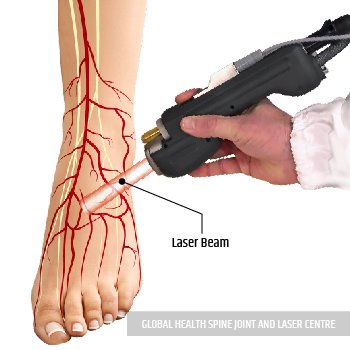
LASER TREATMENT
Laser Beam applied to the damaged vein.
Regenerative phase
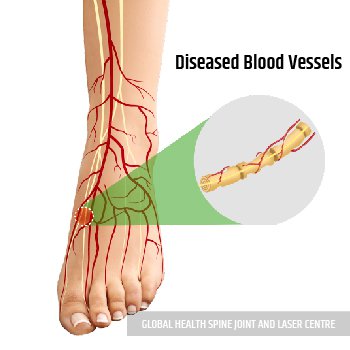
ANGIOGENESIS/ NERVE REGENERATION
Repairing and Neovascularization.
Outcomes

CARTILAGE PRODUCTION
Healthy Blood Vessels and nerves.
- Exercises 1: Swimming
- Exercises 2: Cycling
- Exercises 3: Quad Set
- Exercises 4: Walking
- Exercises 5: Heel Raises
- Exercises 6: Abduction
- Exercises 7: Calf Stretch
- Exercises 8: Leg Raises
- Exercises 9: One Leg Balance
- Exercises 10: Pillow Squeeze
- Exercises 11: Seated Hip March

Swimming
Step 1: Water supports your muscles, bones, and joints as you swim, especially helpful if you’re overweight or have diabetic nerve pain in your feet. A longtime favorite of exercise experts over the years, swimming avoids the pounding on your feet, knees, and hips from a high-impact sport like jogging.

Cycling
Step 1: It improves your mood. It promotes positive mental health. It helps you sleep better. Research has shown that it does not help create strong bones. In fact, depending on the amount of cycling you do, it may even decrease your bone density. So, if your only form of exercise is cycling, you may end up with weaker bones than those who are inactive.

Quad Set
Step 1: Rowing is also by nature a strength movement, essentially a blend of a deadlift and a barbell row. That’s an ideal combination that everyone should do, hitting all the posterior-chain muscles that can easily get weakened by all the sitting that takes place in 2019 society.
Walking
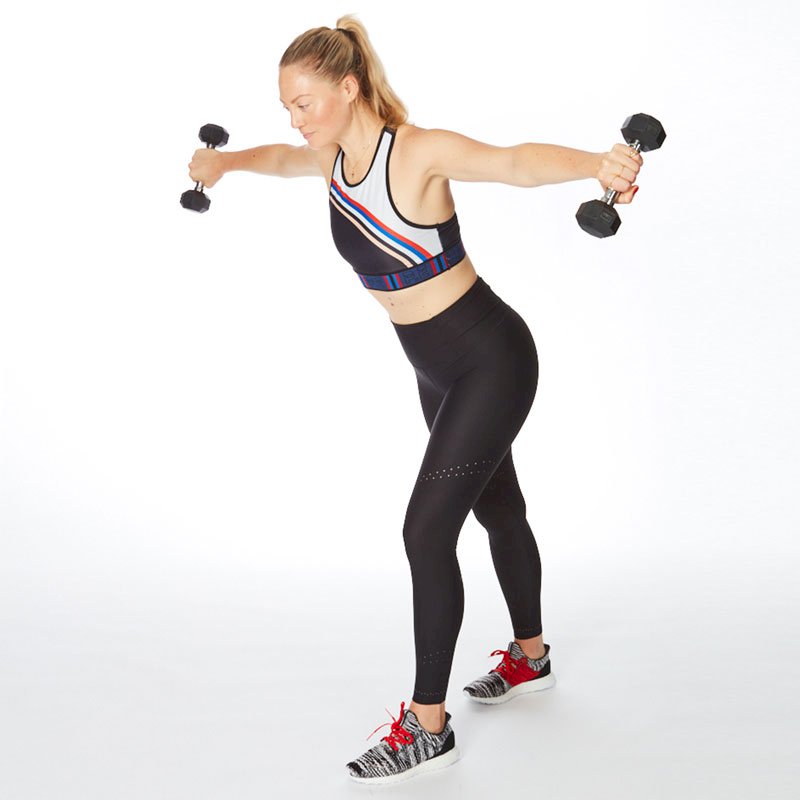
Step 1: The upper body refers to your arms, forearms, shoulders, chest and hands. These muscles create a bridge from the chest, limbs and torso to your spinal column. Strengthening can help improve posture, athletic performance, confidence with everyday tasks and decreases age-related atrophy.
Heel Raises
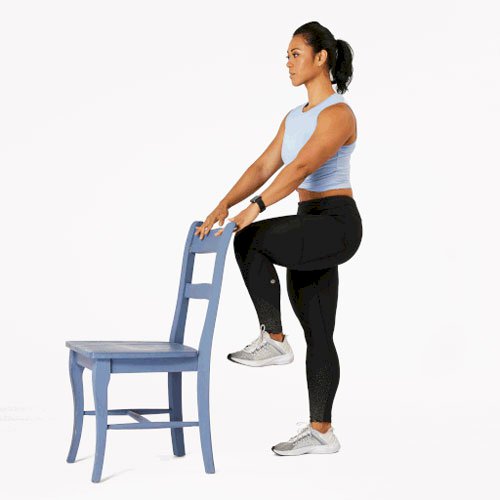
Step 1:Have a stable object like a chair or kitchen counter nearby so you can grab it if you start to feel unsteady.
Step 2: Lift one foot off the ground. Do not to allow your legs to touch. Hold for seconds you are able to stand on one foot.
Abduction
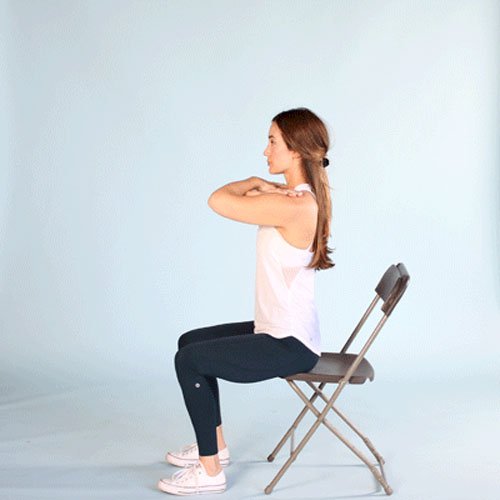
Step 1:Sit on the edge of the seat, Cross the arms, placing each hand on the opposite shoulder.
Step 2: Lean forward and, with a straight back and shoulders, slowly move into a standing position.
Step 3: Slowly sit down again. Repeat up to 10 times.
Fish

Contains
- Calcium
- Vitamin D
- Potassium
- Magnesium
- Iron
- Zinc
- Magnesium
- Omega-3
- Iron
- Iodine
Whole grains

Contains
- Protein
- Fiber
- B Vitamins
- Antioxidants
- Trace Mineral
Broccoli

Contains
- Carbohydrates
- Protein
- Fiber
- Sugar
- Water
Spinach

Contains
- Carbohydrates
- Fat
- Calcium
- Iron
- Vitamin C
- Fiber
- Folate
- Proteins
Fruits

Contains
- Fiber
- Antioxidants
- Vitamins
- Minerals
- Flavonoids
Vegetables

Contains
- Fat
- Vitamin A
- Potassium
- Vitamin C
- Fiber
- Folate
- Keep a healthy body weight.
- Control your blood sugar.
- Be active every day.
- Prevent injury to your joints.
- Pay attention to pain.