Arthritis
We Give You The Best ! Services THat You Can Trust


We Give You The Best ! Services THat You Can Trust

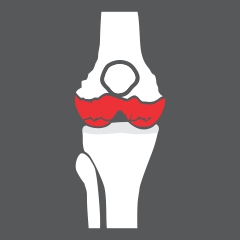
Arthritis is an autoimmune disease where a person’s immune system attacks and targets the healthy connective tissue surrounding joints in the body. When the immune system attacks the connective tissue surrounding the joint this causes inflammation. However larger joints may also be affected. The most common joints affected are the small joints of the hands, feet and ankles. If the condition is allowed to progress it can lead to permanent joint damage consisting of cartilage destruction and bone erosion. It affects approximately one percent of the population. Arthritis most commonly affects individuals aged between 30 and 60. Onset can occur at any age. Womens have more than double the chance of developing arthritis. Other risk factors include having a close relative with arthritis and smoking. This initial inflammation can lead to long term joint damage and joint deformities so early management is key.
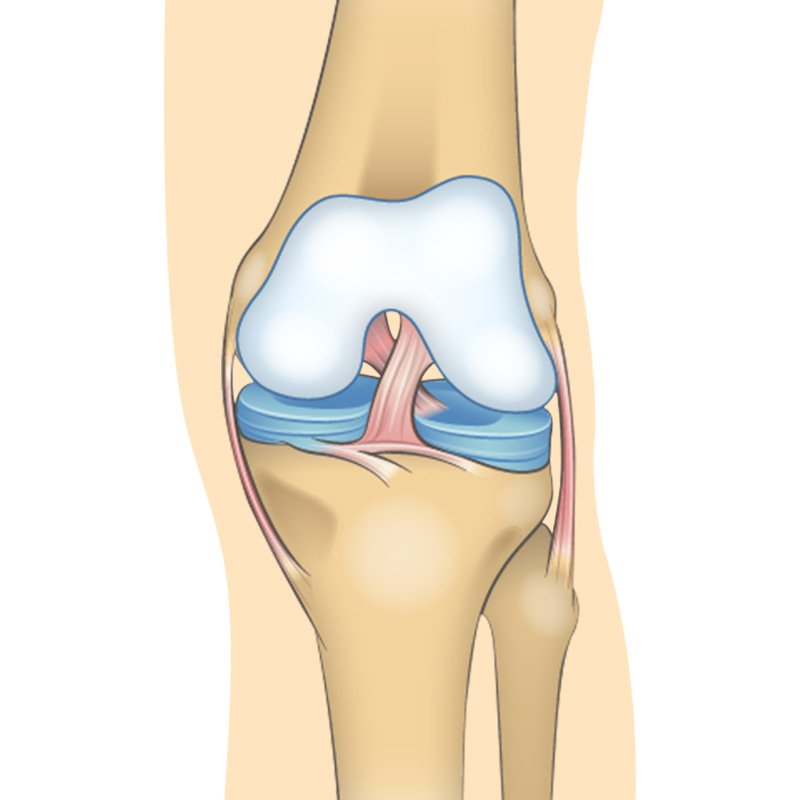
Many people feel joint pain, stiffness, or swelling. During Stage 1, there is inflammation inside the joint. The tissue in the joint swells up. There is no damage to the bones, but the joint lining, called the synovium, is inflamed.
Treatment Time : 2 Month
Sesssion Required : 10+
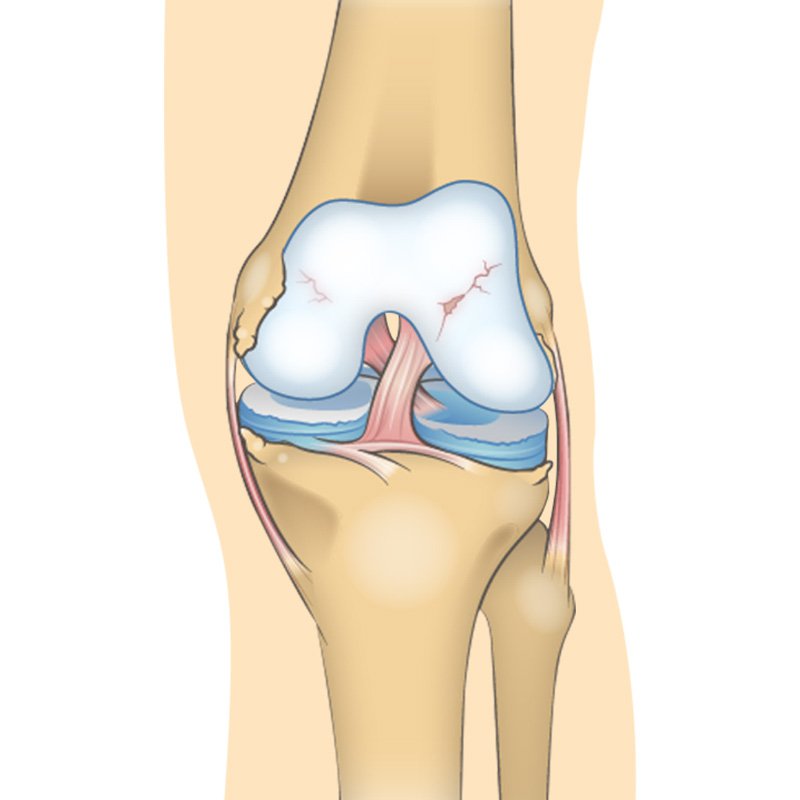
In this stage, the synovium’s inflammation causes damage to the joint cartilage. Cartilage is tissue that covers the end of bones at the site of joints. When cartilage is damaged, people may experience pain and loss of mobility.
Treatment Time : 5 Month
Sesssion Required : 15+
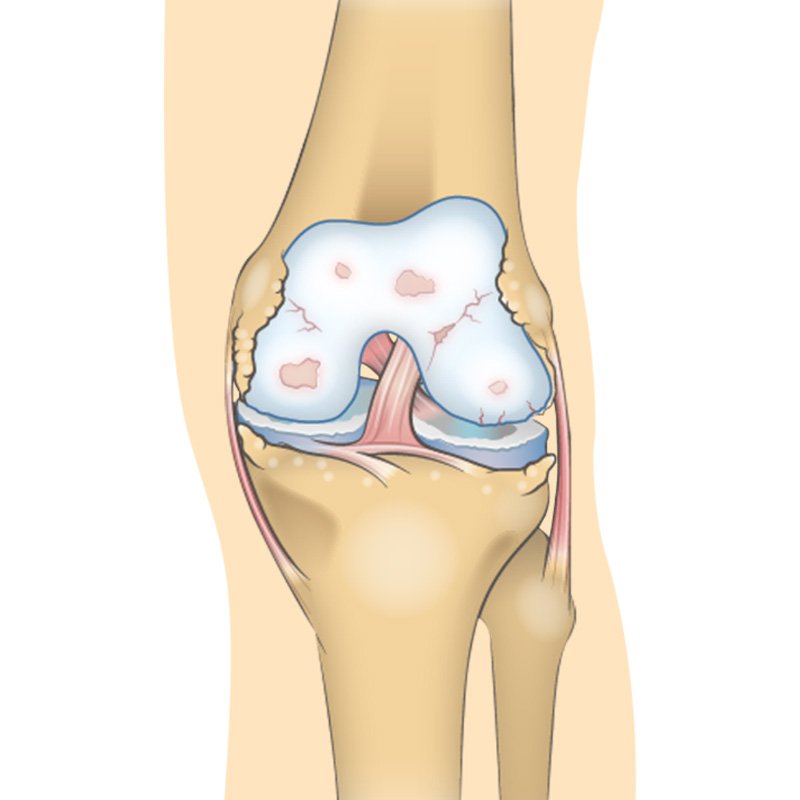
It is considered severe. At this point, damage extends not only to the cartilage but to the bones themselves. Since the cushion between bones is worn away, they will rub together. Some people may experience muscle weakness and more mobility loss.
Treatment Time : 7 Month
Sesssion Required : 25
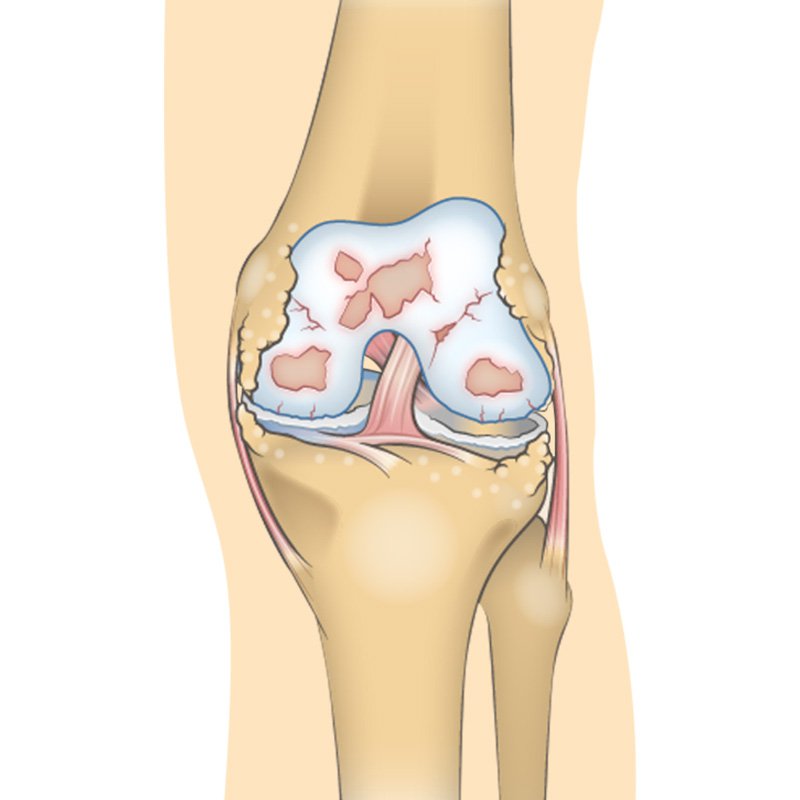
This is end-stage RA, when joints no longer work. In end-stage RA, people may still experience pain, swelling, stiffness, and mobility loss. There may be reduced muscle strength. The joints may become destroyed and the bones fused together
Treatment Time : 9 Month
Sesssion Required : 35
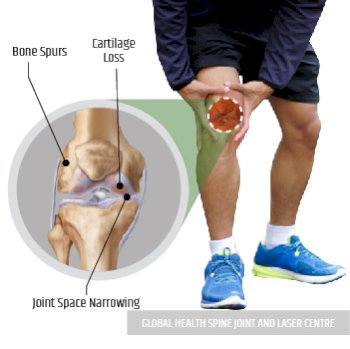
Joint-Space greatly reduced. 60% of the cartilage is already lost. Large osteophytes.

A laser beam applied to the affected zone & started repairing Cartilage and Joints.
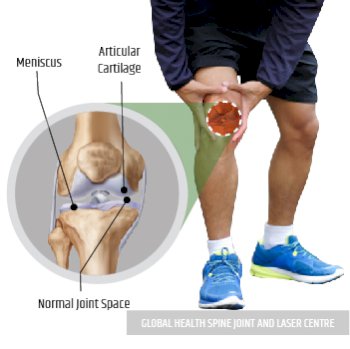
After 2-3 Sitting of Laser Treatment, the cartilage fully recovered and formed good space between the joints.
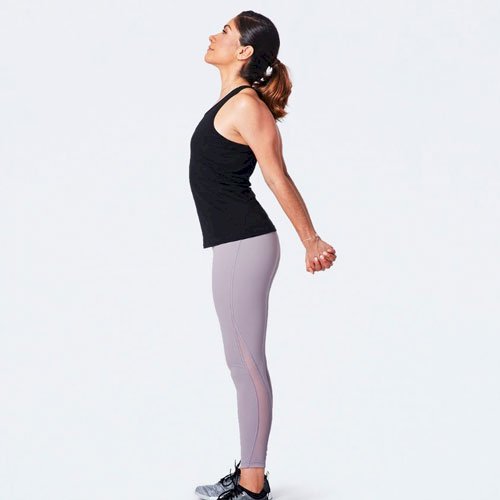
Step 1:Warming up by walking in place or pumping the arms while sitting or standing for 3–5 minutes. Holding each stretch for 10–20 seconds before releasing it. Repeating each stretch 2–3 times. Using a yoga strap may help people maintain proper form while stretching.

Step 1:Both tai chi and yoga combine deep breathing, flowing movements, gentle poses, and meditation. They increase flexibility, balance, and range of motion while also reducing stress. It is possible to buy DVDs of tai chi or yoga workouts that are specifically for people with RA.

Step 1 : Pilates is a low-impact activity that stabilizes the joints and strengthens the muscles around them. People new to Pilates should begin with a routine that uses a mat rather than a machine to build muscle strength safely.
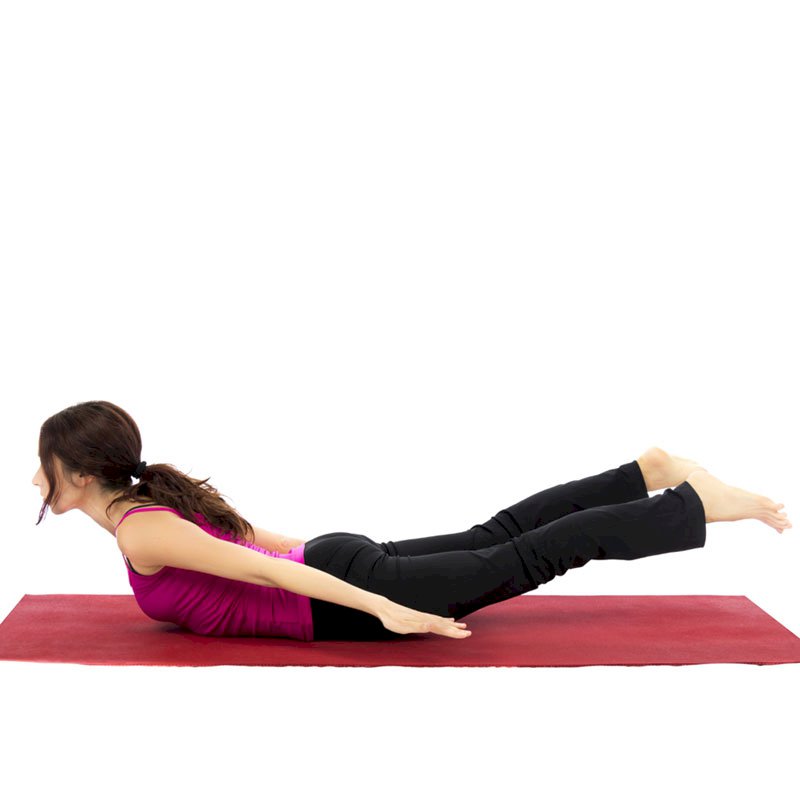
Step 1 : Strengthening the muscles around the affected joints can help increase strength while reducing pain and other RA symptoms. Using a resistance band is one of the best ways to challenge the body and build muscle over time. A physical therapist who works with people with RA should be able to offer guidance on suitable exercises.
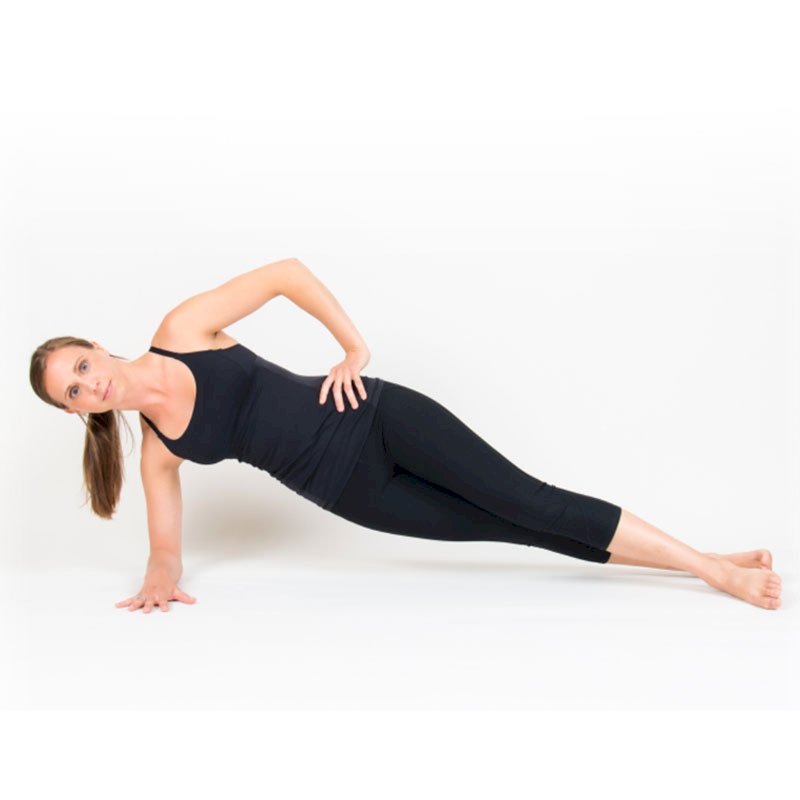
Step 1 :RA can sometimes lead to limited use of the hands. Bending the wrists up and down, slowly curling the fingers, spreading the fingers wide on a table, and squeezing a stress ball can all help increase strength and flexibility in the hands.

Step 1 :As well as being a form of exercise, gardening offers the benefit of improving mood. People should be gentle with their body, work slowly, and avoid overstraining the muscles and joints.
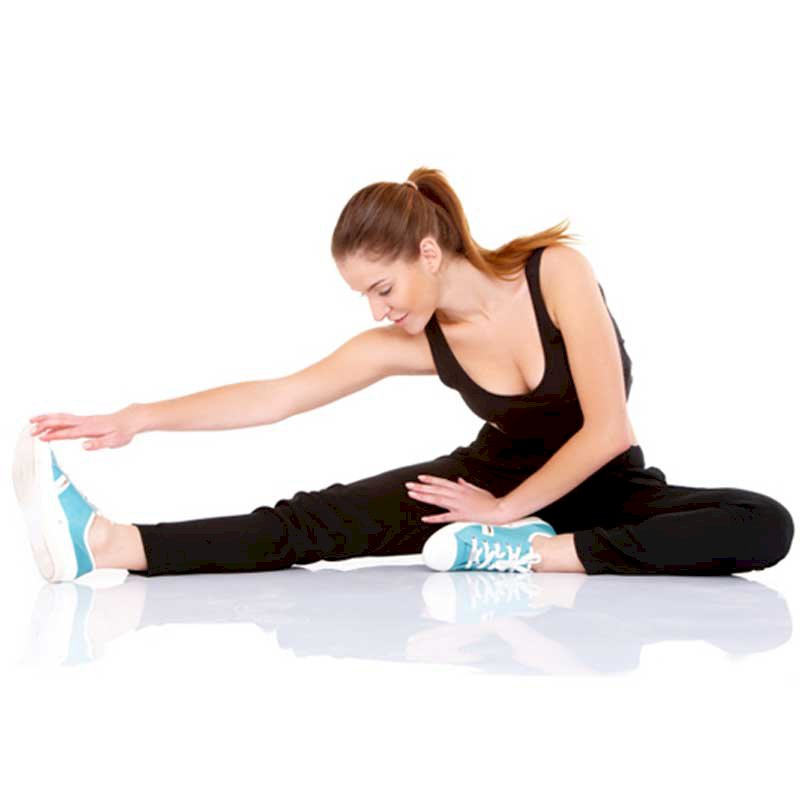
Step 1 :Body awareness is also important for people with arthritis, which refers to knowing how the body and joints are positioned such as with posture, balance, and coordination. This can be particularly helpful for people with impaired joint awareness.

Step 1 : Water supports your muscles, bones, and joints as you swim, especially helpful if you’re overweight or have diabetic nerve pain in your feet. A longtime favorite of exercise experts over the years, swimming avoids the pounding on your feet, knees, and hips from a high-impact sport like jogging.

Step 1 :It improves your mood. It promotes positive mental health. It helps you sleep better. Research has shown that it does not help create strong bones. In fact, depending on the amount of cycling you do, it may even decrease your bone density. So, if your only form of exercise is cycling, you may end up with weaker bones than those who are inactive.
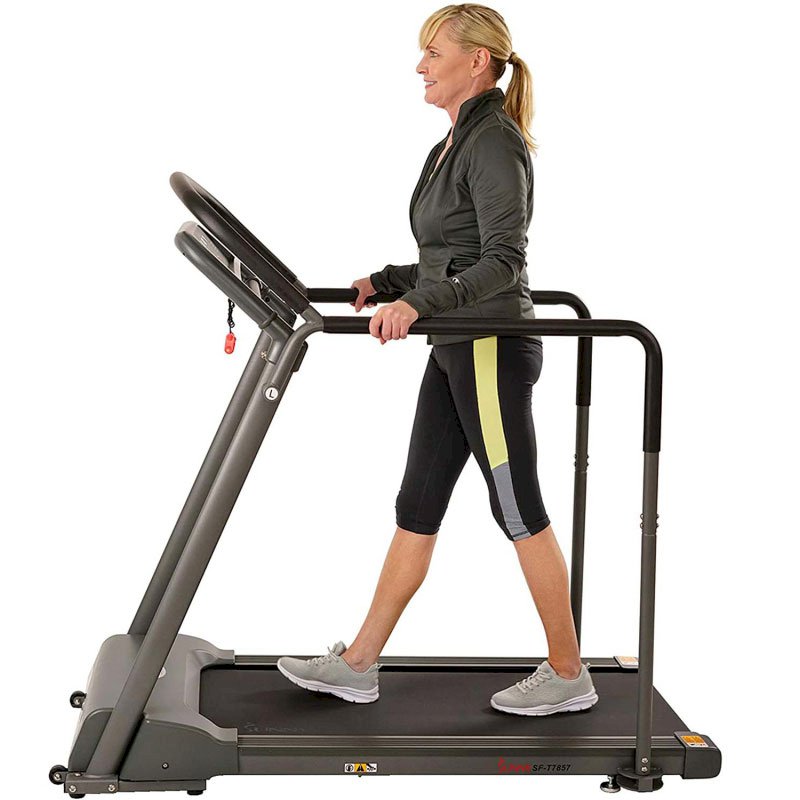
Step 1 : Exercise can ease pain and inflammation. When you boost your heart rate, it also makes feel-good chemicals in your body. Any exercise is great. But you get a bonus from doing weight-bearing exercise — when your joints have to support your weight, like when you walk instead of swim. It helps “feed” the cartilage in your joints and spine. Get your heart pumping most days of the week. Start with 5 to 10 minutes a day. Try to work up to 30 minutes or more.

Contains

Contains

Contains

Contains

Contains

Contains