Arthritis Knee & Shoulder Rehab Therapy
We Give You The Best ! Services THat You Can Trust


We Give You The Best ! Services THat You Can Trust
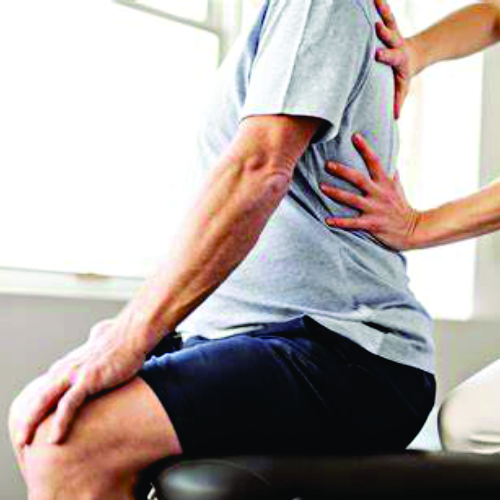

Knee and shoulder rehabilitation therapy focuses on restoring joint function, reducing pain, and enhancing mobility. For knee rehab, exercises aim to strengthen the quadriceps, hamstrings, and surrounding muscles to support the joint and improve stability. Range-of-motion exercises are essential to regain flexibility, and low-impact activities help reduce strain. Shoulder rehab focuses on strengthening the rotator cuff, improving posture, and restoring shoulder movement. Manual therapy, stretching, and stabilizing exercises are commonly used to address muscle imbalances. Both therapies involve gradual progressions, proper movement patterns, and lifestyle modifications to ensure long-term recovery and prevent reinjury.

Shoulder becomes increasingly painful, and you slowly lose range of motion. This usually occurs over 6 to 9 weeks.
Treatment Time : 2 Month
Sesssion Required : 10

This stage immediately follows the freezing stage and is usually less painful though the stiffness remains. This usually lasts roughly 4 to 6 months making daily activities very difficult.
Treatment Time : 3-6 Month
Sesssion Required : 30

This stage is where the shoulder slowly improves with either a complete return to normal or close to normal strength and motion. This usually takes anywhere from 6 months to 2 years to happen.
Treatment Time : 9 Month
Sesssion Required : 45
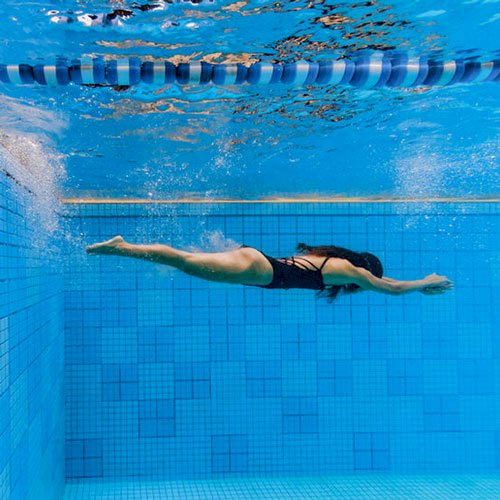
Step 1: Water supports your muscles, bones, and joints as you swim, especially helpful if you’re overweight or have diabetic nerve pain in your feet. A longtime favorite of exercise experts over the years, swimming avoids the pounding on your feet, knees, and hips from a high-impact sport like jogging. the

Step 1: It improves your mood. It promotes positive mental health. It helps you sleep better. Research has shown that it does not help create strong bones. In fact, depending on the amount of cycling you do, it may even decrease your bone density. So, if your only form of exercise is cycling, you may end up with weaker bones than those who are inactive.
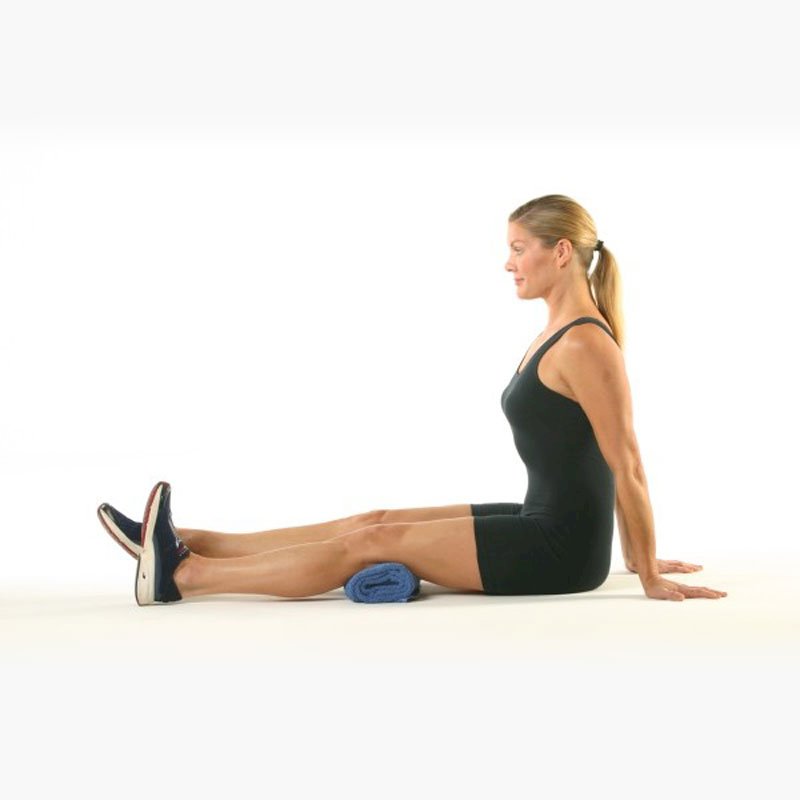
Step 1: This exercise is designed to stretch and strengthen your knee. Before beginning, read through all the instructions. While exercising, breathe normally and use smooth movements. If you feel any pain, stop the exercise. If pain continues, call your healthcare provider.
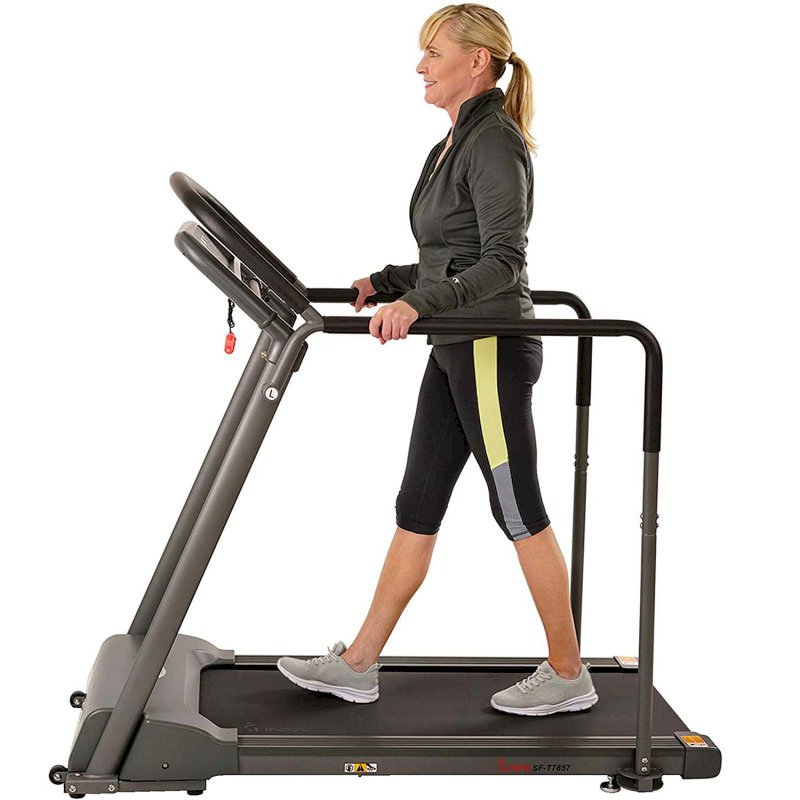
Step 1: Exercise can ease pain and inflammation. When you boost your heart rate, it also makes feel-good chemicals in your body. Any exercise is great. But you get a bonus from doing weight-bearing exercise — when your joints have to support your weight, like when you walk instead of swim. It helps “feed” the cartilage in your joints and spine. Get your heart pumping most days of the week. Start with 5 to 10 minutes a day. Try to work up to 30 minutes or more.
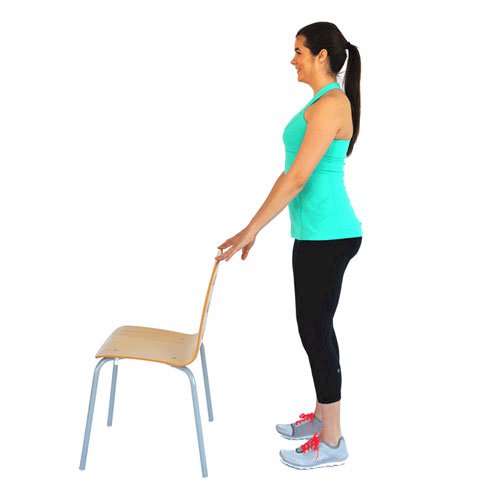
Step 1:Stand straight behind the chair, holding the back with your feet hip-width apart and your weight evenly distributed.
Step 2: Tighten your abdominal muscles. Lift up on your toes until you’re standing on the balls of your feet.
Step 3 : Slowly lower your heels to the floor. Repeat 8 to 10 times.
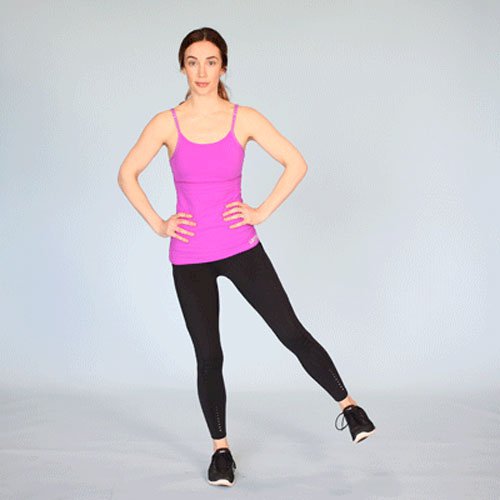
Step 1:Stand tall while holding onto a firm support in your left hand.
Step 2: Swing your right leg towards to the left in front of the left leg, leading with your heel and instep. Hold and lower to the ground with control. Be sure to keep your torso upright and not drop the right hip down.
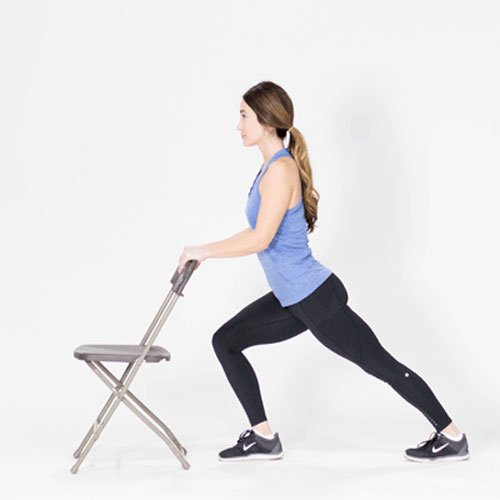
Step 1: Hold onto a chair for balance. Bend your right leg. Step back with your left leg, and slowly straighten it behind you.
Step 2: Press your left heel toward the floor. You should feel the stretch in the calf of your back leg. Hold for 20 seconds. Repeat twice, then switch legs.
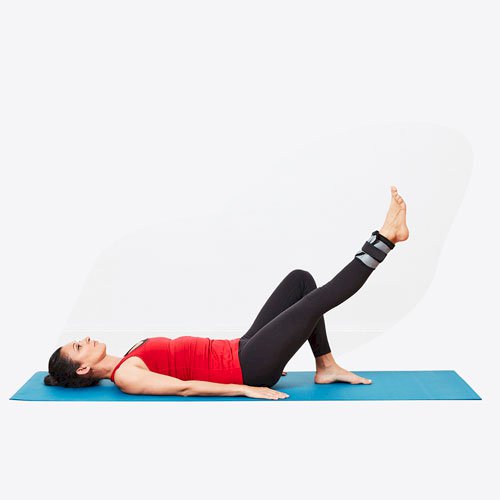
Step 1: Lie on your back with your hips square and your legs laid out comfortably on the floor.
Step 2: Bend the knee of your non-injured leg at a 90-degree angle, planting the foot flatly on the floor. Hold for three seconds. Relax and repeat 10 times more.
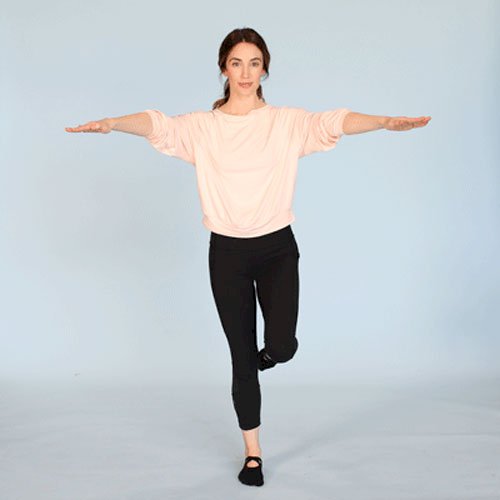
Step 1:Stand behind your kitchen counter without holding on.
Step 2: Slowly lift one foot off the floor. The goal is to stay balanced for 20 seconds without grabbing the counter.
Step 3: Then switch sides.
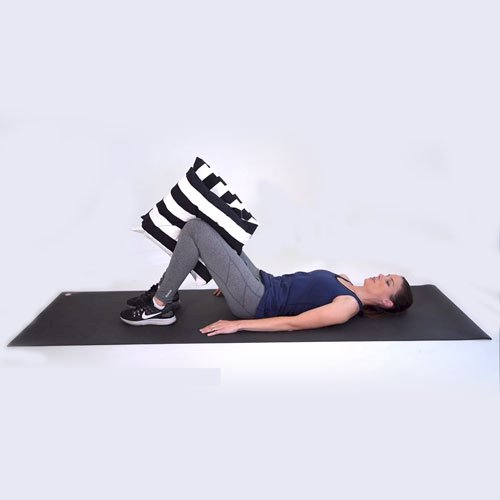
Step 1: Lie on your back, both knees bent. Place a pillow between the knees.
Step 2:Squeeze your knees together, squishing the pillow between them. Hold for 5 seconds. Do two sets of 10 repetitions.
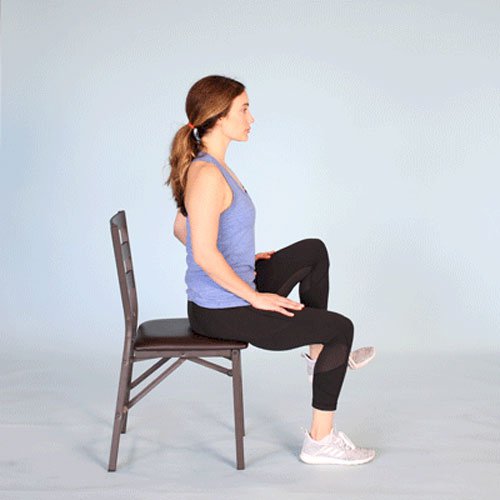
Step 1: Sit up straight in a chair. Kick your left foot back slightly, but keep your toes on the floor.
Step 2: Lift your right foot off the floor, knee bent. Hold the right leg in the air 3 seconds.
Step 3: Slowly lower your foot to the ground. Do two sets of 10 repetitions.
Step 4: Switch right leg to left leg after right set. Do two sets of 10 repetitions.

Contains

Contains

Contains

Contains

Contains

Contains

Contains

Contains