Muscle & Ligament Rehab Therapy

We Give You The Best ! Services THat You Can Trust

Muscle and ligament rehabilitation therapy focuses on restoring strength, flexibility, and function following injury or surgery. Treatment typically begins with pain management techniques such as ice, heat, or electrical stimulation. As healing progresses, exercises are introduced to improve range of motion, strengthen surrounding muscles, and restore ligament stability. Stretching and mobility exercises help reduce stiffness, while strengthening exercises enhance muscle support to protect the affected area. Manual therapy may be used to address soft tissue restrictions, and sport-specific movements are gradually incorporated. A key aspect of rehab is preventing re-injury through education on proper body mechanics and activity modification.

Stages of Muscle & Ligament Rehab Therapy

Stage 1 :

2-3 times per week, depending on the injury’s progress and the therapist’s assessment.

Treatment Time : 2 Month

Sesssion Required : 12

Stage 2 :

A typical course could involve 16-24 sessions, but it could be longer for more complex injuries.

Treatment Time : 4 Month

Sesssion Required : 24
Stage 3 :

After inflammation subsides, heat may be used to encourage circulation and healing.

Treatment Time : 6 Month

Sesssion Required : 40
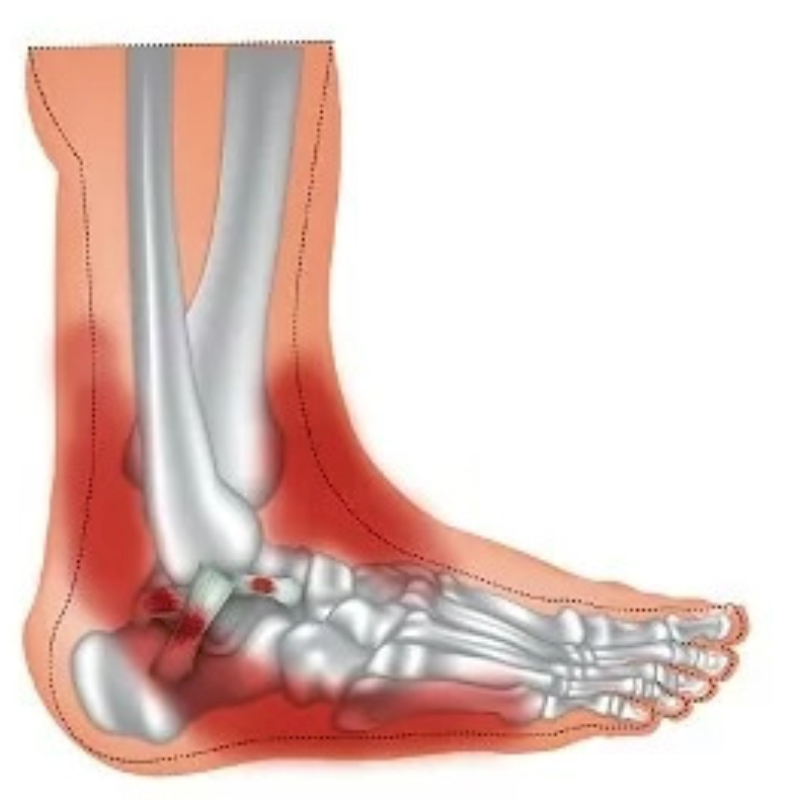
Muscle & Ligament Rehab Therapy Symptoms
  • Pain — This is one of the most common symptoms. Pain may be acute (sharp and sudden) or chronic (ongoing and dull). It can occur at rest or with movement.
  • Swelling — Often a result of injury, swelling occurs as fluid accumulates in the tissues around the injury site.
  • Bruising (Ecchymosis) — Discoloration due to blood pooling under the skin from damaged blood vessels near the injured tissue.
  • Stiffness — A sensation of tightness or difficulty moving the affected joint or muscle due to inflammation or scar tissue buildup.
  • Weakness — Muscle weakness may result from a tear, strain, or prolonged period of disuse after an injury. It can also be caused by pain inhibition.
  • Limited Range of Motion (ROM) — Difficulty moving the joint or muscle as you normally would, which can be caused by pain, swelling, or injury to the tissue.
  • Instability — A feeling that the affected joint or muscle is unable to support weight or function normally, often due to ligament damage.
  • Muscle Strains — Overstretching or tearing of muscle fibers, often due to overuse or sudden movement.
Muscle & Ligament Rehab Therapy Causes
  • Acute trauma/injury
  • Overuse or repetitive motion
  • Poor posture and alignment
  • Weak muscles or imbalances
  • Age and degeneration
  • Sports and physical activities
  • Insufficient warm-up or cool-down
  • Trauma from accidents
  • Environmental factors
  • Genetic predisposition
Muscle & Ligament Rehab Therapy Test in Diagnostic

Physical Test

  • Range of Motion (ROM) Testing
  • Strength Testing
  • Stability and Ligament Tests

Medical Test

  • X-ray
  • CT Scan
Exercises For Recovery : Muscle & Ligament Rehab Therapy
  • Exercises 1: Stretching
  • Exercises 2: Flowing Movements
  • Exercises 3: Pilates
  • Exercises 4: Hand Exercises
  • Exercises 5: Gardening
  • Exercises 6: Body Awareness Exercises
  • Exercises 7: Cycling
  • Exercises 8: Walking

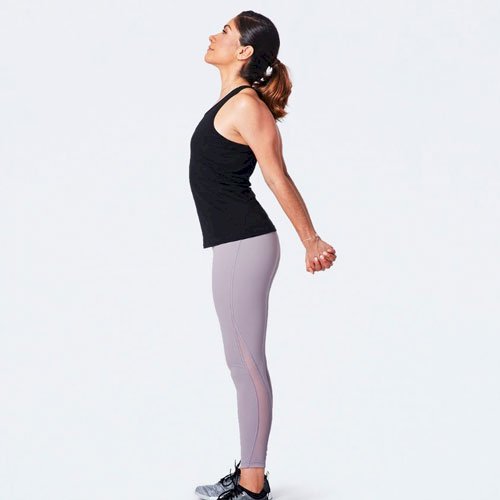
Stretching

Step 1:Warming up by walking in place or pumping the arms while sitting or standing for 3–5 minutes. Holding each stretch for 10–20 seconds before releasing it. Repeating each stretch 2–3 times. Using a yoga strap may help people maintain proper form while stretching.

Flowing Movements

Step 1:Both tai chi and yoga combine deep breathing, flowing movements, gentle poses, and meditation. They increase flexibility, balance, and range of motion while also reducing stress. It is possible to buy DVDs of tai chi or yoga workouts that are specifically for people with RA.

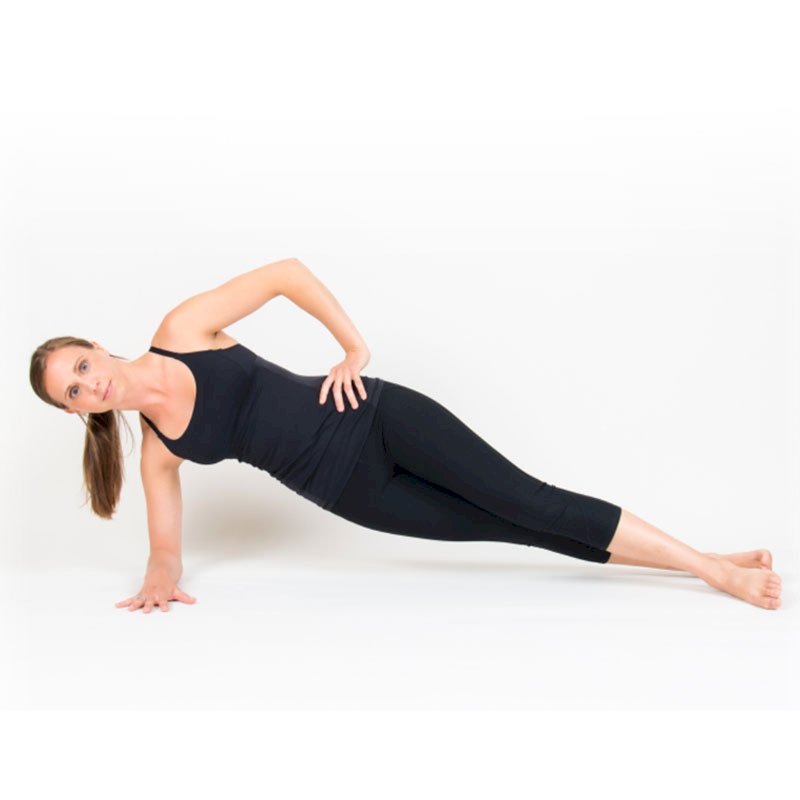
Pilates

Step 1 : Pilates is a low-impact activity that stabilizes the joints and strengthens the muscles around them. People new to Pilates should begin with a routine that uses a mat rather than a machine to build muscle strength safely.
Hand Exercises

Step 1 :RA can sometimes lead to limited use of the hands. Bending the wrists up and down, slowly curling the fingers, spreading the fingers wide on a table, and squeezing a stress ball can all help increase strength and flexibility in the hands.

Step 1 :As well as being a form of exercise, gardening offers the benefit of improving mood. People should be gentle with their body, work slowly, and avoid overstraining the muscles and joints.

Body Awareness Exercises

Step 1 :Body awareness is also important for people with arthritis, which refers to knowing how the body and joints are positioned such as with posture, balance, and coordination. This can be particularly helpful for people with impaired joint awareness.

Cycling

Step 1 :It improves your mood. It promotes positive mental health. It helps you sleep better. Research has shown that it does not help create strong bones. In fact, depending on the amount of cycling you do, it may even decrease your bone density. So, if your only form of exercise is cycling, you may end up with weaker bones than those who are inactive.
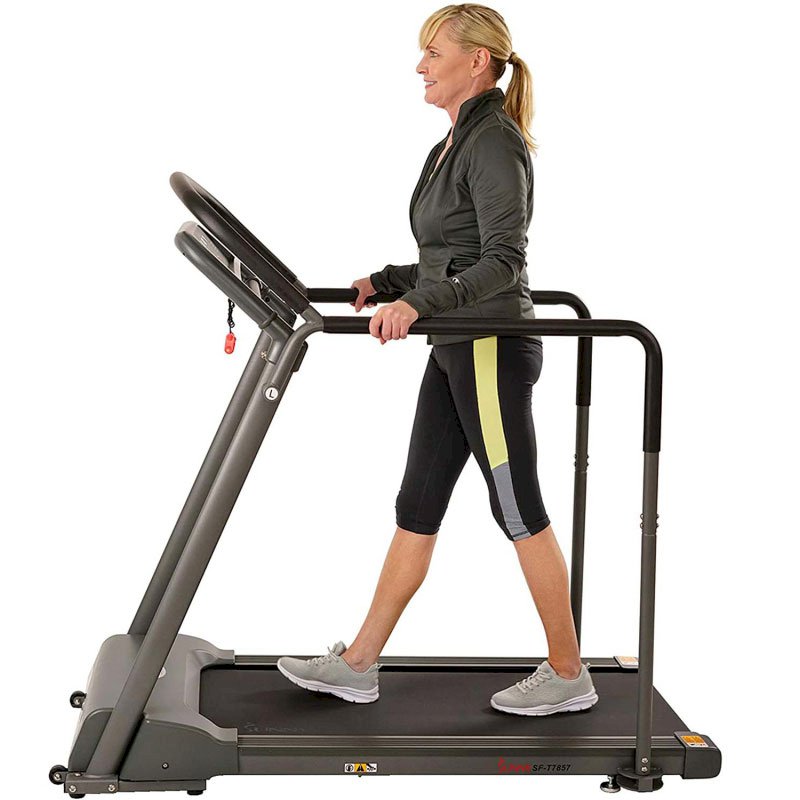
Walking

Step 1 : Exercise can ease pain and inflammation. When you boost your heart rate, it also makes feel-good chemicals in your body. Any exercise is great. But you get a bonus from doing weight-bearing exercise — when your joints have to support your weight, like when you walk instead of swim. It helps “feed” the cartilage in your joints and spine. Get your heart pumping most days of the week. Start with 5 to 10 minutes a day. Try to work up to 30 minutes or more.

Diet For Recovery : Arthritis

Ginger

Contains

  • Carbohydrates
  • Fat
  • Protein
  • Fiber
  • Sugar

Fish

Contains

  • Calcium
  • Vitamin D
  • Potassium
  • Magnesium
  • Iron
  • Phosphorus
  • Riboflavin
  • Zinc
  • Omega-3
  • Iodine

Broccoli

Contains

  • Carbohydrates
  • Protein
  • Fiber
  • Sugar
  • Water

Walnuts

Contains

  • Carbohydrates
  • Protein
  • Fiber
  • Sugar
  • Monounsaturated Fat
  • Saturated Fat

Berries

Contains

  • Vitamin C
  • Folate
  • Copper
  • Vitamin K1
  • Manganese

Spinach

Contains

  • Carbohydrates
  • Fat
  • Calcium
  • Iron
  • Vitamin C
  • Fiber
  • Folate
  • Proteins

Grapes

Contains

  • Carbohydrates
  • Fat
  • Protein
  • Potassium
  • Thiamine
  • Vitamin C
  • Fiber
  • Copper
  • Vitamin K1

Olive oil

Contains

  • Fat
  • Protein
  • Monounsaturated Fat
  • Saturated Fat
  • Polyunsaturated Fat
Recommendation and Precautions for Muscle & Ligament Rehab Therapy
  • Pain Management — Use anti-inflammatory medications (if recommended by a healthcare provider) to reduce swelling and manage pain.
  • Sport-Specific Training — Once basic strength and flexibility are achieved, incorporate sport-specific drills that mimic the movements and stresses experienced during regular activity.
  • Listen to Your Body — Pay attention to signs of fatigue or any recurring swelling. If symptoms like pain, swelling, or bruising return, reduce the intensity of exercises and seek guidance from a healthcare provider.
  • Avoid Rigid Structures Too Soon — While a brace or splint may be helpful in the initial phase, it’s important not to overly rely on them, as they may inhibit mobility and muscle activation.