Tennis Or Golf Elbow
We Give You The Best ! Services THat You Can Trust


We Give You The Best ! Services THat You Can Trust

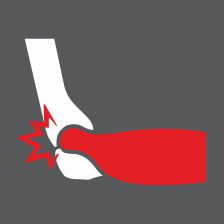
Lateral epicondylitis occurs is due to inflammation soreness. And appear as pain on the lateral side outside of the elbow this degeneration of the extension carpi radialis brevis. Usually seen in patients who perform manual labor or sports which require twisting and the extension of the wrist against resistance. Differential diagnosis radial tunnel syndrome the pain of radio tunnel syndrome is very similar to tennis elbow pain. Pain is distal to the letter epicondyle and it too radiates down the forearm, if the symptoms of the tennis elbow are not improving with treatment rule out radial tunnel syndrome. Medial epicondylitis inflammation soreness or pain and immediate side the inside of the elbow. The pain occurs due to overuse or overload activity which is aggravated by the movement of the wrist.

Tore in the Tendon of Golfer & Tennis elbow.
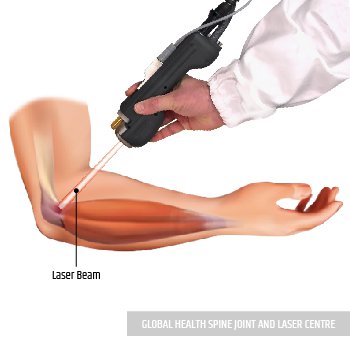
Laser beam applied to the torn elbow.
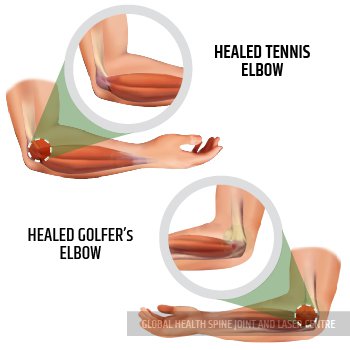
After laser treatment, we recovered our golf elbow and tennis elbow tendon.
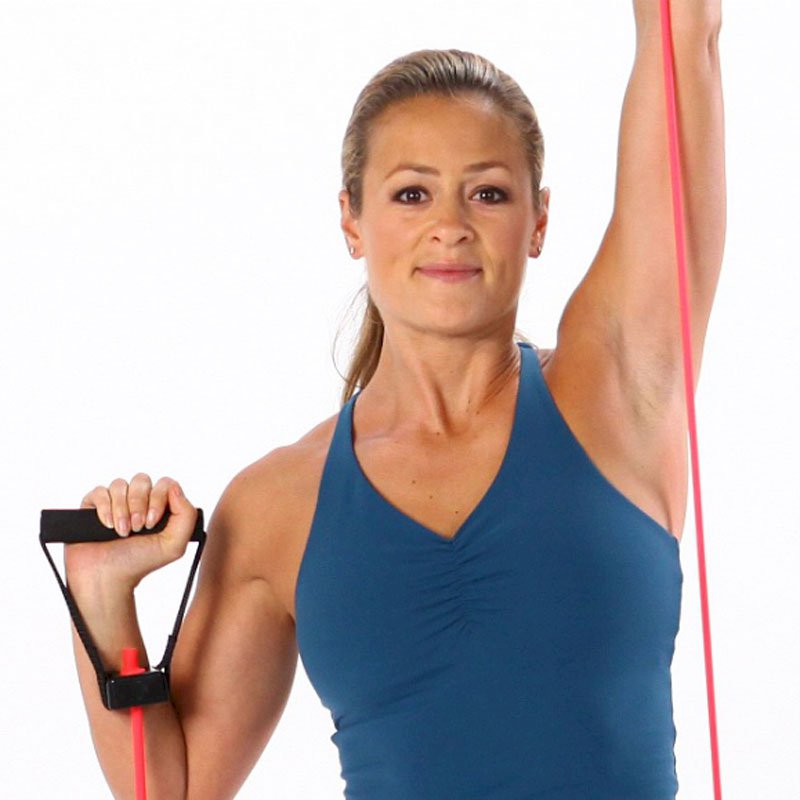
Step 1 : You will have stronger hands once you start performing hand grip exercises regularly. Resistance and endurance to pain increase. It is not just good for the fingers but also helps in strengthening your wrists and forearm muscles.

Step 1 : Extend your affected arm in front of you with your fingers and palm facing up.
Step 2 : Use your opposite hand to gently pull your fingers and wrist down toward your body. Hold this stretch for 30 seconds. Do 2–5 reps.
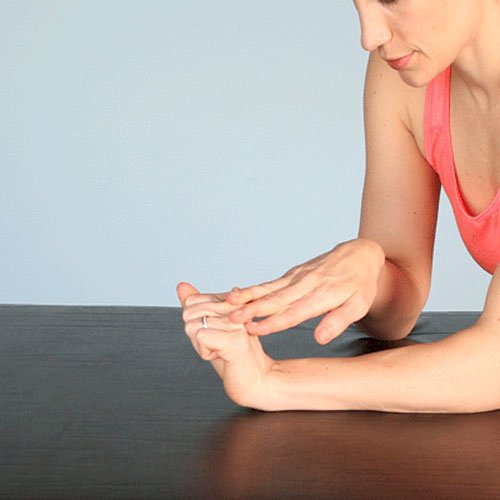
Step 1 : While seated, place your affected forearm on a table or the arm of a chair with your palm facing down. Place your opposite hand on the back of your affected hand.
Step 2 : Press your affected hand up, using your opposite hand to create resistance by pressing down. Continue for 10 seconds, slowly increasing the resistance. Gently release. Do 15 reps.

Step 1 : While seated, rest your affected forearm on a table or the arm of a chair with your palm facing up. Press your opposite palm into your affected hand.
Step 2 : Press your affected hand upward as you use your opposite hand to create resistance by pressing down. Continue for 10 seconds, slowly increasing the resistance. Gently release. Do 15 reps.

Step 1 : Place your forearm on a table or the arm of a chair with your hand hanging over the edge and your palm facing down while holding a dumbbell.
Step 2 : Slowly lower your hand down before raising it back to the original position. Do 1–3 sets of 15 reps.
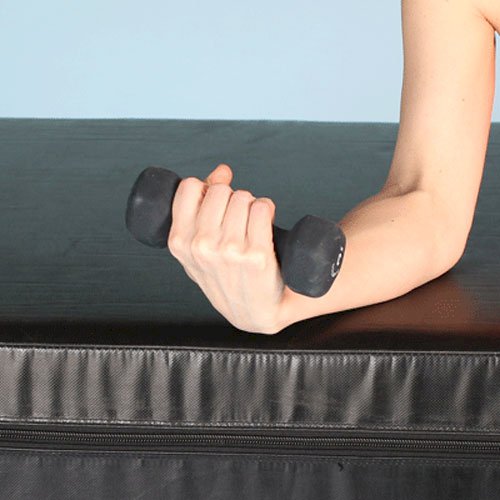
Step 1 : Place your forearm on a table or the arm of a chair with your hand hanging over the edge and your palm facing up while holding a dumbbell.
Step 2 : Slowly lower your hand down before raising it back to the original position. Do 1–3 sets of 15 reps.

Step 1 : Sit in a chair holding a 2-pound dumbbell in your hand with your palm facing down, resting your elbow comfortably on your knee. Keep your palm facing down.
Step 2 : Extend your wrist by curling it toward your body. If this is too challenging, do the movement with no weight.
Step 3 : Return to the starting position and repeat 10 times on each side.

Step 1 : Sit in a chair holding a 2-pound dumbbell in your hand with your palm facing up and your elbow resting comfortably on your knee. Keep your palm facing up.
Step 2 : Flex your wrist by curling it toward your body.
Step 3 : Return to the starting position and repeat 10 times on each side.

Contains

Contains

Contains

Contains