Vericous Vein
We Give You The Best ! Services THat You Can Trust

We Give You The Best ! Services THat You Can Trust


Varicose veins are swollen veins that are blue or purple in color, they show through the skin usually on the legs and feet. The superficial veins lie below the surface of the skin, the deep veins pass through the deep tissues of the legs, they transport blood from the legs and feet back up towards the heart. The superficial and deep veins are all connected by perforator veins. Veins also have valves that prevent the blood from flowing back towards your feet. Varicose veins are thought to develop when the valves don’t close properly. If the files don’t work properly the blood is able to flow backward. Blood pools in the veins causing the vein to stretch this is called a varicose vein
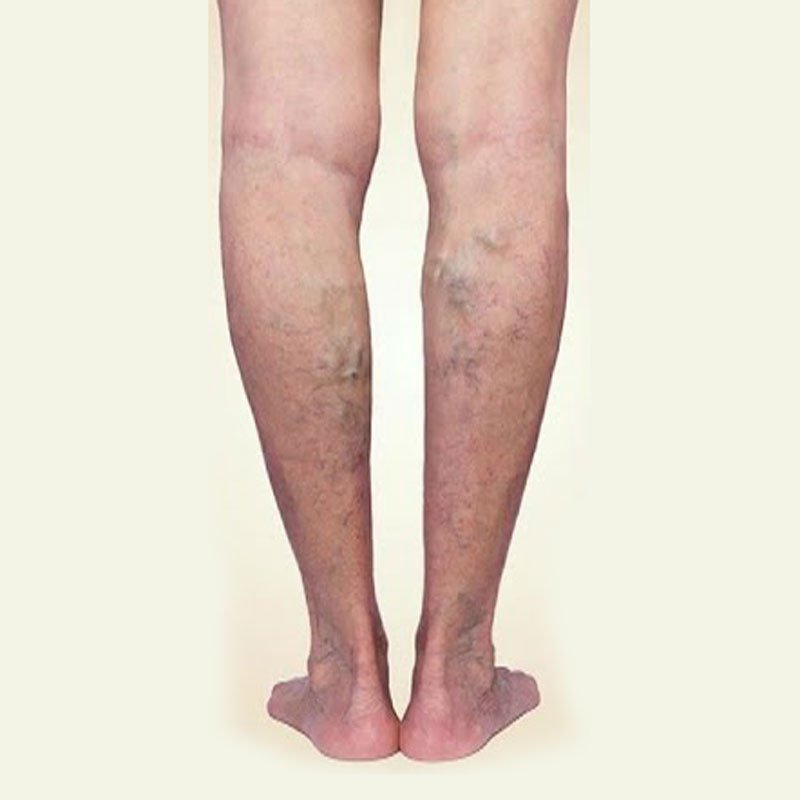
These small, web-like veins or thin blood vessels are located near the surface of your skin. Spider veins look like scattered or tangled clusters of wispy red or purplish lines. Spider veins are flat.
Treatment Time : 3 Month
Sesssion Required : 15

Unlike spider veins, varicose veins become bulging and ropy. People generally first notice their vein disease after the appearance of varicose veins. Varicose veins are very painful.
Treatment Time : 6 Month
Sesssion Required : 30
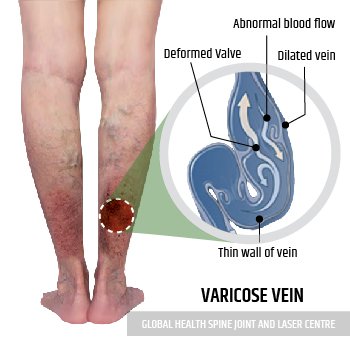
The varicose vein has a faulty valve, the walls of the vein are thin and stretched. So the blood does not flow effectively.
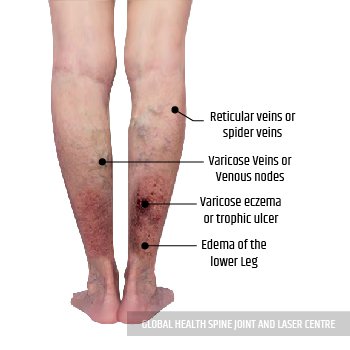
Varicose veins are large, swollen veins that often appear on the legs and feet.

Laser Treatment is used to treat the Damaged & Bulging veins.

After some sittings, we get a normal vein with a properly working valve.

Step 1: It improves your mood. It promotes positive mental health. It helps you sleep better. Research has shown that it does not help create strong bones. In fact, depending on the amount of cycling you do, it may even decrease your bone density. So, if your only form of exercise is cycling, you may end up with weaker bones than those who are inactive.
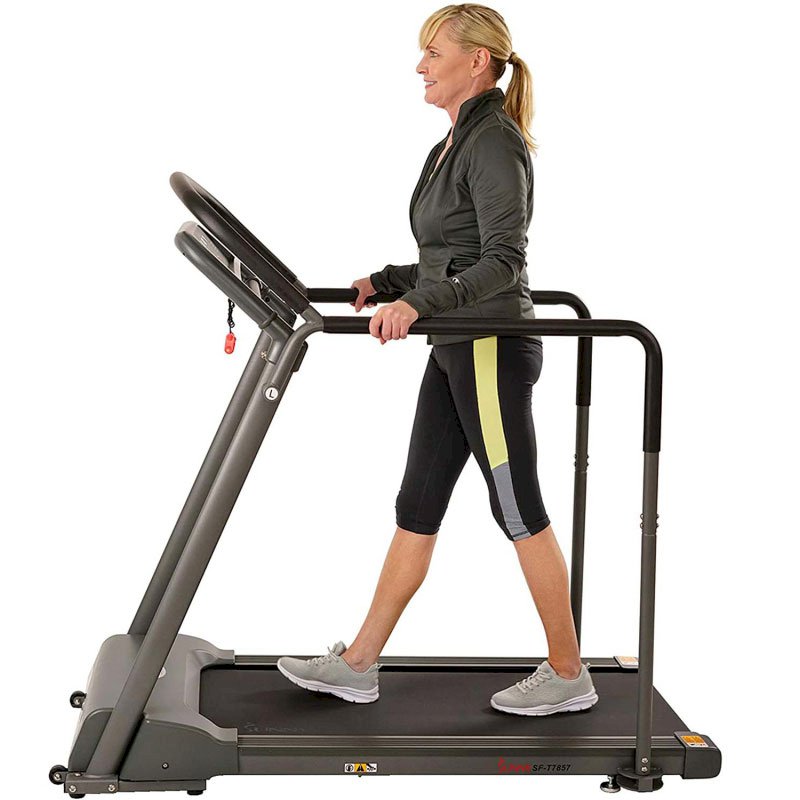
Step 1:Exercise can ease pain and inflammation. When you boost your heart rate, it also makes feel-good chemicals in your body. Any exercise is great. But you get a bonus from doing weight-bearing exercise — when your joints have to support your weight, like when you walk instead of swim. It helps “feed” the cartilage in your joints and spine. Get your heart pumping most days of the week. Start with 5 to 10 minutes a day. Try to work up to 30 minutes or more.
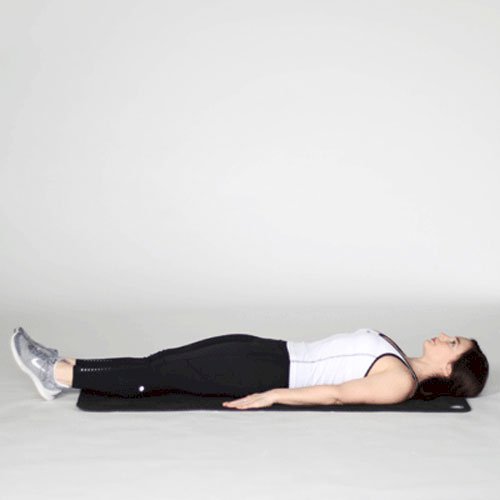
Step 1 : Raising your legs can help relieve swollen or achy legs caused by backed-up blood flow. Begin by lying on your back on the floor or on your bed.
Step 2 : Next, raise your legs straight up in the air. If necessary, prop them against the wall. Hold this position for a few minutes.
Step 3 : Then lower your legs to the ground. Repeat as necessary.
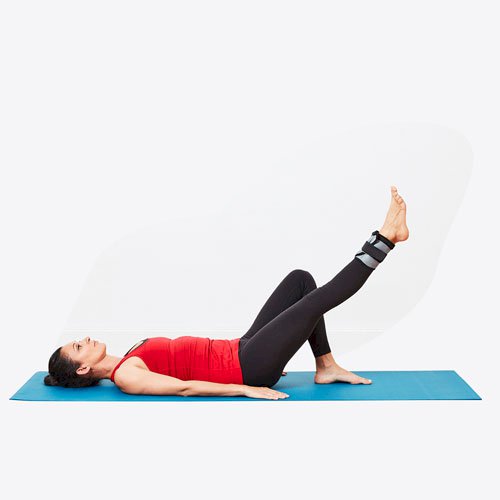
Step 1 : Lie on your back with your hips square and your legs laid out comfortably on the floor.
Step 2 : Bend the knee of your non-injured leg at a 90-degree angle, planting the foot flatly on the floor. Hold for three seconds. Relax and repeat 10 times more.

Step 1 : A person should begin by standing straight with their feet together. They then take a step forward with the right foot.
Step 2 : Bend the knee and transfer the weight onto that leg before lowering the hips toward the floor and holding the position.
Step 3 : Repeat the same movement on the other side.

Step 1 : Begin by resting your weight on the ball of your feet for a few seconds.
Step 2 : Then lower the heel.
Step 3 : Next, rest your weight on your heel and lift the ball of your foot.

Contains

Contains

Contains

Contains

Contains